
Reviewed · CITY TOURS
Odense: City walk – The new green Odense – City development
Cities tell their stories through streets. This two-hour walk shows how Odense is rewriting its own.
I like the focus on real urban change, not just famous buildings, and I like the chance to talk directly with a local guide about housing, education, transport, and daily life. The small-group format should make questions easy, while guides such as Jørn Asmussen and Johan have been praised for their warm conversation and strong German.
The main consideration is simple: you need to be comfortable walking about 4 kilometers, or roughly 5,500 steps. If you want a traditional tour packed with H.C. Andersen facts and old churches, this is not the best match. If you want to understand why Odense looks and works the way it does today, this is a very good use of two hours.
In This Review
- Key Points About the Odense City Walk
- Why This Walk Is Different From a Standard Odense Tour
- Starting at Overgade 3 in the Old Center
- Albani Torv: Reading the City’s First Signals
- Donkey Republic and the Practical Side of City Movement
- The Port of Odense and the Industrial Past
- Storms Pakhus and a Short Stop for City Life
- H.C. Andersen Haven and the Route Back
- The Guide Makes the Difference
- Who Should Book This Two-Hour Walk?
- Is $31 a Fair Price?
- Practical Details Before You Book
- Should You Book the New Green Odense Walk?
- FAQ
- Where does the Odense city walk begin?
- How do I identify the guide?
- Where does the tour finish?
- How long does the experience last?
- How far do I walk?
- What languages are available?
- Is this a small-group experience?
- What does the tour focus on?
- Does the tour include the Port of Odense?
- Can I cancel for a full refund?
Key Points About the Odense City Walk
- A 4-kilometer route with a clear theme: You follow Odense from its old center toward the harbor and back through newly rebuilt urban areas.
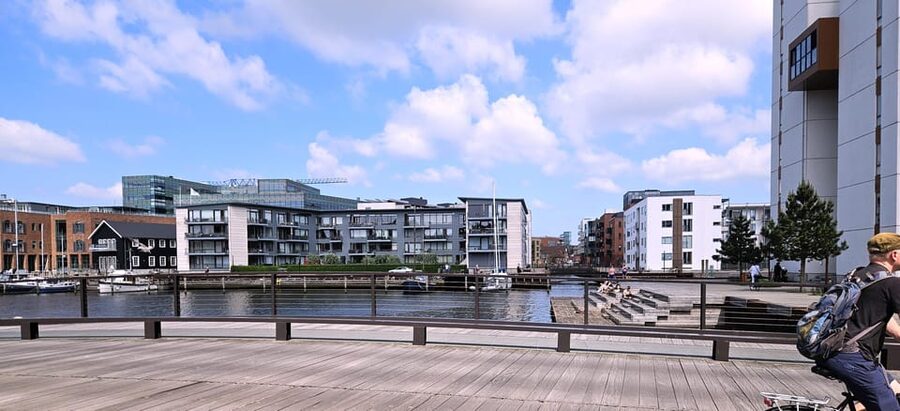
- The six-lane road is part of the story: A former main thoroughfare through the center has been replaced by a completed city area.
- The harbor marks Odense’s new direction: Former industrial land now helps show the city’s effort to become greener and more creative.
- The guide adds local perspective: Topics include affordable housing, the Danish education system, infrastructure, the economy, and everyday life.
- Small groups make conversation easier: You can ask questions instead of simply listening to a fixed speech.
- The route mixes old and new Odense: It begins in the historic center, passes the harbor and former industrial zones, then returns through modern development.
Why This Walk Is Different From a Standard Odense Tour
Most city walks begin with the familiar checklist: old streets, major monuments, famous residents, and a few good photo stops. This experience takes another route. It uses Odense’s changing streets as a way to explain how a Danish city makes decisions about traffic, housing, public space, and its future.
I like that approach because urban development can feel abstract when you read about it. Here, you see the results under your feet. An old industrial area becomes a new district. A major road that once cut through the center gives way to a different kind of city space. The harbor shifts from a work zone into part of Odense’s modern identity.
The guide also connects these physical changes to wider Danish life. You may discuss how people are educated, how the local economy works, how young residents can find housing near the center, and how infrastructure affects daily routines. The conversation can even move beyond Odense, as one tour included an extra discussion about life in Greenland.
That wider scope is the best reason to book. You are not just collecting facts about buildings. You are getting a local explanation of how a city responds to changing needs.
More walking tours in Denmark:
- Private Walking Grand Tour of Copenhagen
★ 5.0 · 3,953 reviews - Copenhagen Highlights Walking Tour
★ 5.0 · 2,324 reviews - Politically Incorrect Private Highlights Walking Tour
★ 5.0 · 1,244 reviews
Starting at Overgade 3 in the Old Center
The meeting point is Overgade 3, at a small ruin on the pedestrian street or mall. Look for the guide carrying a KnowledgeWalks sign. The meeting place is described as a small area, so finding the group should be straightforward.
Beginning here gives the route a useful contrast. You start in old Odense before walking toward the areas that represent its newer plans. The tour is a round trip, so you finish where you began rather than needing to find your way back from the harbor.
The old center is not treated as a quick backdrop. It sets up the main question of the walk: how can an old city keep its character while making room for new homes, new transport ideas, and new public spaces?
You should arrive ready to walk, not just stand. The tour covers about 4 kilometers, and the 2-hour schedule includes several guided stops. Wear comfortable shoes and keep your pace moderate. The route is not presented as strenuous, but it is a walking tour in the full sense of the word.
Albani Torv: Reading the City’s First Signals
The first major stop is Albani Torv, where the guide spends about 30 minutes. This is an important opening section because it gives you time to understand the goals behind Odense’s recent changes.
Expect the discussion to focus on how the old center connects to the modern city. The guide can explain why certain areas were changed, what the city hopes to achieve, and how urban planning affects people who live there.
This is also where a small group has a real advantage. You can ask why a particular street was redesigned, how the changes affect residents, or what problems the city is still trying to solve. With a larger group, those questions often disappear under the guide’s prepared speech.
The guide may use photographs of earlier conditions to make the changes easier to see. That detail matters. A new building or open area can look ordinary until you learn what stood there before. Seeing the former street layout or industrial use gives the present-day city more meaning.
Donkey Republic and the Practical Side of City Movement
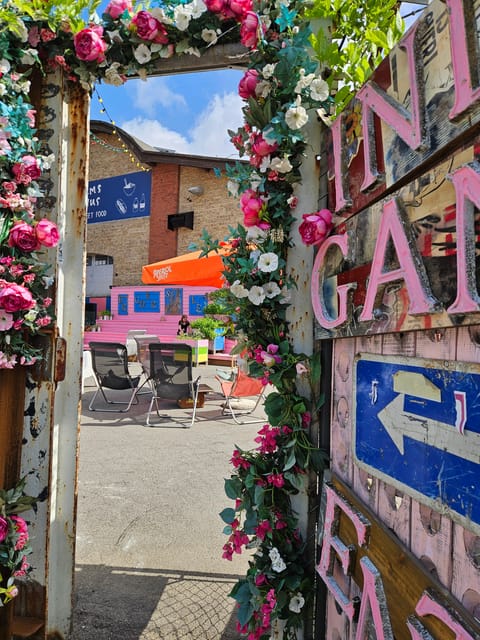
The next stop is Donkey Republic, with about 30 minutes of guided time. The supplied information does not specify every activity here, so you should think of this stop as part of the tour’s wider discussion of transport and city infrastructure rather than as a separate attraction.
Its place in the route fits the walk’s main theme. A greener city needs more than attractive buildings. It also needs practical ways for people to move around without depending entirely on major roads and private cars.
You can use this part of the walk to ask about cycling, shared transport, traffic planning, and how Odense tries to make the center useful for residents. The tour does not promise a hands-on rental session, so do not book it expecting to ride a bike. The value is the explanation of how transport choices connect to the city’s larger plans.
I appreciate that the tour treats green development as a daily-life issue. It is not just about planting trees or adding stylish architecture. It is also about how people get to work, where they live, and how easily they can reach the center.
More city tours in Denmark:
- Copenhagen: 3-Hour City Highlights Bike Tour with Guide
★ 4.7 · 1,239 reviews - Copenhagen: Group Walking Tour – City Highlights – 2 Hours
★ 4.7 · 1,088 reviews - City Sightseeing Copenhagen Hop-On Hop-Off Bus Tour
★ 3.5 · 800 reviews - 3-hour Copenhagen City Highlights Bike Tour
★ 5.0 · 757 reviews
The Port of Odense and the Industrial Past
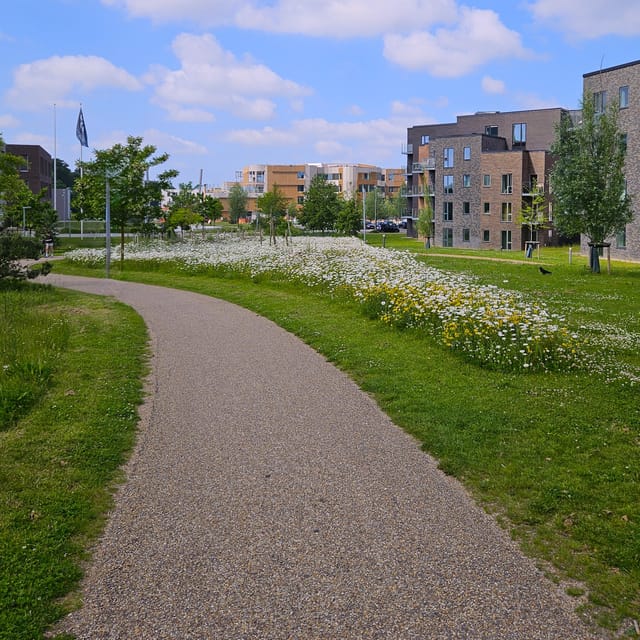
The harbor receives another 30-minute section, making it one of the main stops. In many ways, this is where the city’s transformation becomes easiest to understand.
Odense’s harbor represents the move away from an older industrial identity toward a city with a declared aim of becoming greener and more creative. You walk through an area linked to industry, then consider how new districts and new uses are taking shape.
This stop should appeal to anyone who enjoys seeing a city in transition. You are not being shown a finished postcard scene. You are being asked to think about what happens when a working area changes purpose and how that change affects jobs, housing, public space, and the city center.
The tour also discusses the goal of keeping housing affordable for young people in central Odense. That is a useful detail because it places urban development in human terms. A city can create attractive new buildings, but if younger residents cannot afford to live there, the plan has limits.
The harbor section may be less satisfying if you only want historic sights. It is about planning and change, not a long list of monuments. For me, that is exactly why it adds value, but it is worth knowing before you book.
Storms Pakhus and a Short Stop for City Life
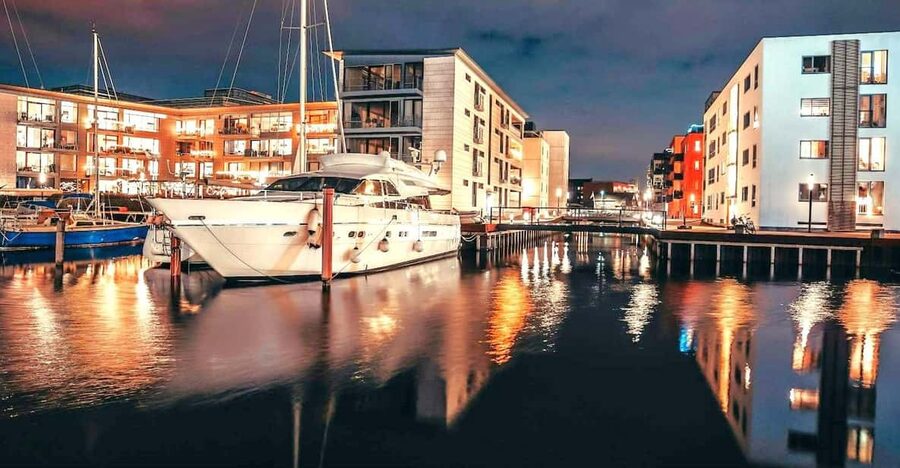
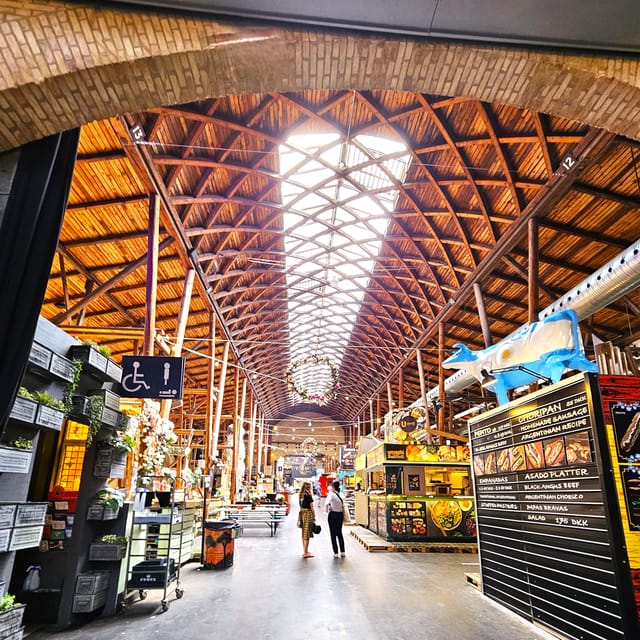
Storms Pakhus, home to Odense Street Food, is scheduled for about 15 minutes. The stop gives the route a more social and everyday feel after the longer discussions of roads, industry, and planning.
The food hall is not presented as a meal stop, and the tour does not include food. Instead, you pass through and consider how former commercial or industrial spaces can gain new public uses.
This is a good place to notice the difference between a city designed only for work and traffic and one designed for people to meet. A street food venue can serve as a small example of how regeneration creates places for eating, socializing, and spending time.
You may want to return later for food if the setting appeals to you, but keep the walking tour’s schedule in mind. The stop is short, so it is not the moment for a relaxed meal.
H.C. Andersen Haven and the Route Back
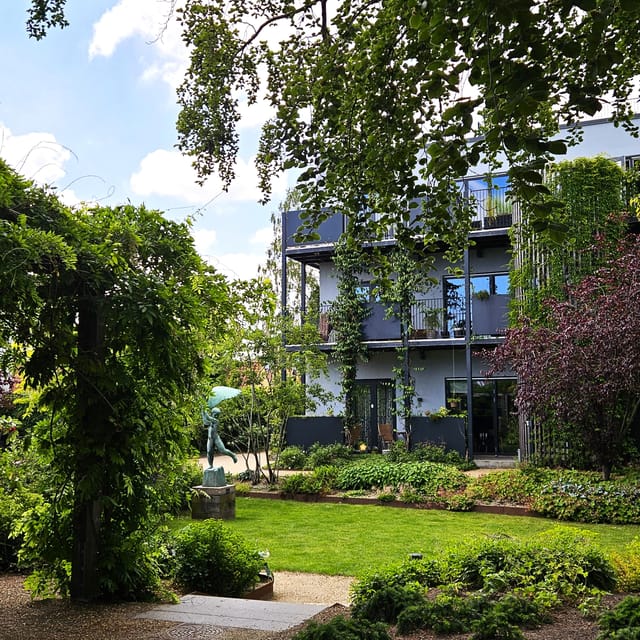
The final guided section is H.C. Andersen Haven, with about 15 minutes before the group returns to Overgade 3. H.C. Andersen is one of Odense’s best-known cultural links, so ending near the garden brings the modern city story back toward the traditional visitor route.
The important point is the contrast. You have started in the old center, moved through the harbor and former industrial areas, and then returned through an urban area that replaced a six-lane main road running through the center only a few years ago.
That road replacement is one of the tour’s most memorable details. It gives you a clear before-and-after example of how a city can change priorities. A route once built to move large amounts of traffic through the center has been replaced by a different kind of urban space.
The tour ends back at Overgade 3, which is convenient if you are staying in central Odense or planning to continue exploring on foot. You do not need to arrange transport from the final stop.
The Guide Makes the Difference
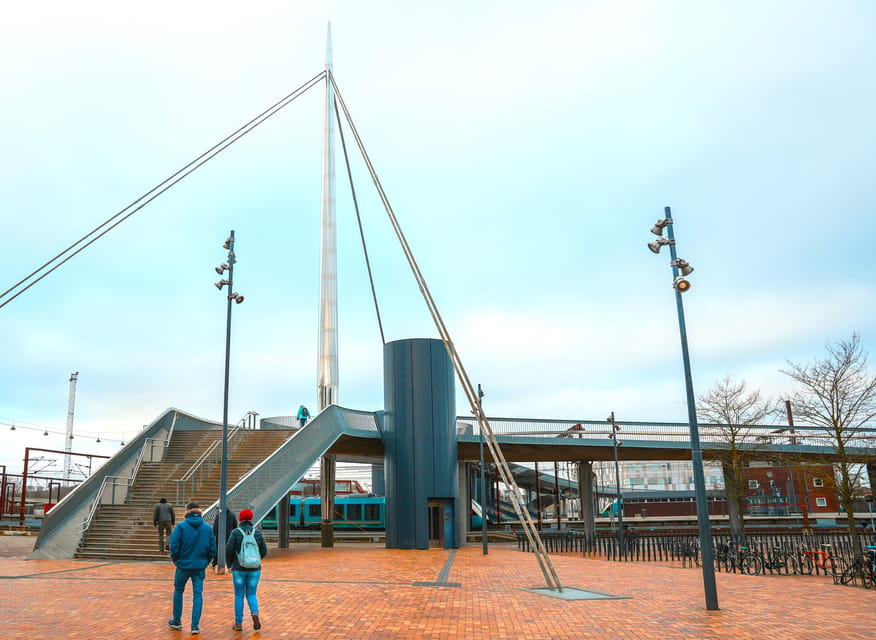
The strongest part of this experience is the local guide’s role. The tour depends on explanation and conversation, not on entry tickets or elaborate displays.
Jørn Asmussen has received especially warm praise for his friendly manner, excellent German, and ability to explain Odense’s positive direction in city planning. Johan has also been praised for clear German, useful local tips, and an engaging approach. The listed tour languages are English and German.
The guide is expected to bring insider information that you will not find in a standard brochure. That can include practical details about how the city works, why certain choices were made, and how changes affect people who live there.
I would book this with questions ready. Ask about housing, traffic, student life, public investment, or the balance between old buildings and new districts. A small group gives you a better chance to shape the conversation around your own interests.
The experience has received a top rating from 16 published ratings, with repeated praise for the guides’ friendliness, language ability, personal attention, and depth of explanation. The most useful takeaway is not simply that the guides are pleasant. It is that they help you connect separate subjects into one picture of Odense.
Who Should Book This Two-Hour Walk?
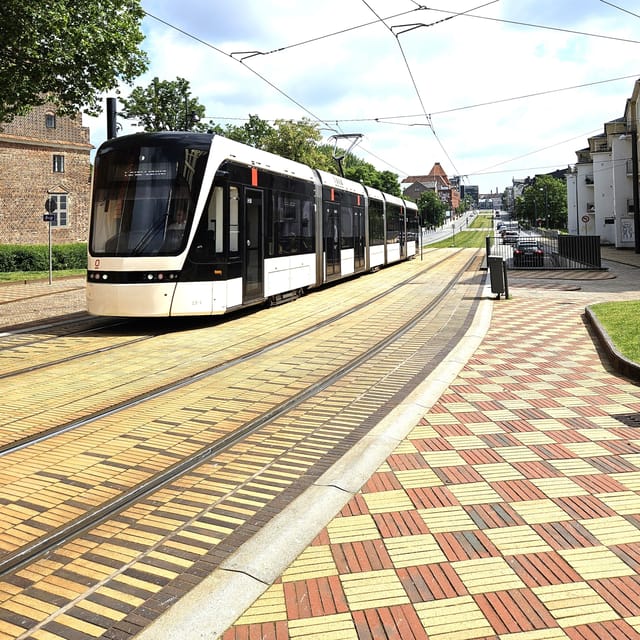
I would recommend this tour to curious first-time visitors who want more than a quick introduction. It is also a strong choice if you have already spent a few days in Odense and want to understand what you have been seeing.
One person who had explored Odense independently for three days found that the tour completed the picture of both the city and Denmark. That makes sense. After you have seen the old streets, the walk gives you the planning story behind the newer districts.
It also suits people interested in:
- Urban planning and public transport
- Green city projects
- Danish society and education
- Affordable housing
- Industrial change
- Architecture and new districts
- Local conversations rather than scripted sightseeing
You may want to skip it if your main goal is a fast tour of museums, churches, or H.C. Andersen sites. The walk includes the H.C. Andersen Haven, but its main subject is city development.
It is also not ideal if 4 kilometers of walking feels uncomfortable. The tour estimates about 5,500 steps, so treat that as a real part of the booking decision.
Is $31 a Fair Price?
At $31 per person, this is not the cheapest way to walk around Odense, but the price is reasonable for a 2-hour small-group experience led by a local. You are paying for interpretation, not admission to a major attraction.
The value is highest if you ask questions and care about how cities function. A standard sightseeing route may show you more famous sights, but this tour gives you a framework for understanding the streets and districts you see afterward.
The small-group format also matters. Personal attention is a central part of the experience, and one booking even had only a couple on the walk. That can create a relaxed conversation, though the exact group size can vary.
Free cancellation is available up to 24 hours before the tour for a full refund, and you can reserve now and pay later. Those options help if your Odense plans are still shifting, but the real value rests in your interest in the subject.
Practical Details Before You Book
The tour lasts 2 hours and begins and ends at Overgade 3, 5000 Odense. Look for the small ruin on the pedestrian street and the guide’s KnowledgeWalks sign.
It is offered in English and German. If language matters to you, check the available departure before reserving. The published information does not promise a specific guide for every departure, though Jørn Asmussen and Johan have both been named in connection with the experience.
Bring comfortable shoes and prepare for an outdoor walking route. The tour does not list food, drinks, transport, or admission tickets as included. Storms Pakhus is a stop, but the short visit should not be treated as a meal break.
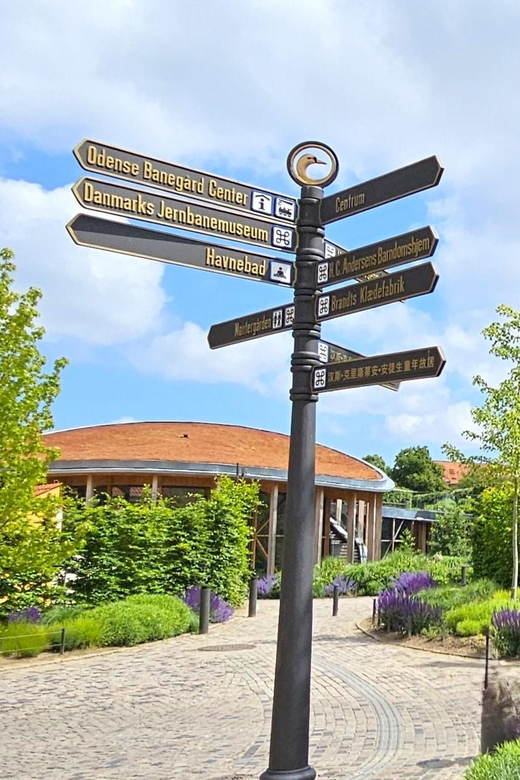
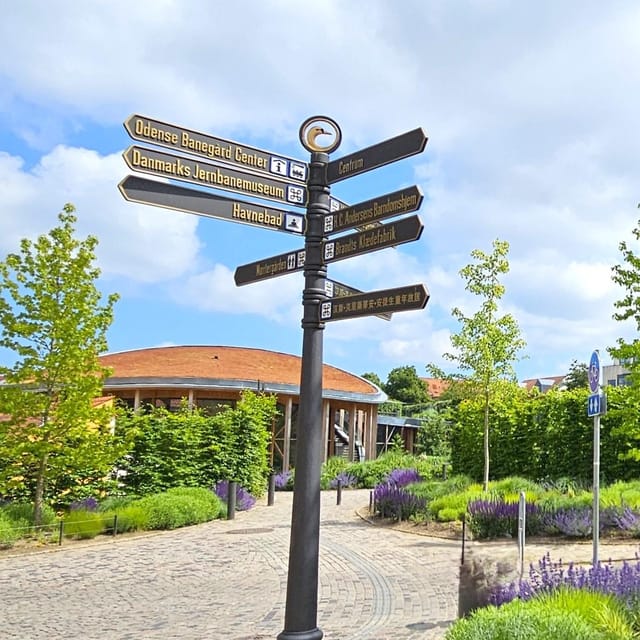
The walk includes time at Albani Torv, Donkey Republic, the Port of Odense, Storms Pakhus, and H.C. Andersen Haven. The timing is roughly 30 minutes at each of the first three stops and 15 minutes at the last two.
Should You Book the New Green Odense Walk?
Book it if you want to understand Odense rather than simply photograph it. The route gives you a clear story: old center, industrial past, harbor change, new districts, greener ambitions, and a return through a former traffic corridor.
I especially recommend it after you have had time to see Odense on your own. You will recognize more of the places, and the guide’s explanations can turn ordinary streets into evidence of major decisions.
Skip it if you want a classic monument tour or if a 4-kilometer walk is too much. For everyone else, $31 buys a thoughtful local conversation, a useful look at Danish city planning, and a better sense of why modern Odense feels different from its industrial past.
FAQ
Where does the Odense city walk begin?
It begins at Overgade 3, 5000 Odense, at a small ruin on the pedestrian street or mall.
How do I identify the guide?
The guide carries a sign marked KnowledgeWalks.
Where does the tour finish?
The route is a round trip and finishes back at Overgade 3.
How long does the experience last?
The walking tour lasts 2 hours.
How far do I walk?
You should be comfortable walking about 4 kilometers, or approximately 5,500 steps.
What languages are available?
The live tour guide is available in English and German.
Is this a small-group experience?
Yes. A small-group option is available, and the tour is designed to encourage questions and conversation with the guide.
What does the tour focus on?
It focuses on Odense’s move from an industrial city toward a greener, more creative city, including urban development, housing, infrastructure, education, the economy, and daily life.
Does the tour include the Port of Odense?
Yes. The Port of Odense is one of the main guided stops and receives about 30 minutes of the route.
Can I cancel for a full refund?
Yes. You can cancel up to 24 hours in advance for a full refund. You can also reserve now and pay later.
Just added in Denmark
- Understanding Klaksvík: A Self-guided city tour in KlaksvÍk★ 5.0 · 3 reviews
- WWII Copenhagen Nyhavn and War Museum Private Walking Tour★ 5.0 · 2 reviews
- Helsingør Historical Treasures: A Walking Tour★ 5.0 · 1 review
- SUP – Stand Up Paddle – Kitesurfing – Wingfoil & Kitefoil courses★ 5.0 · 14 reviews
- E Biking Adventure to Kronborg Castle★ 5.0 · 3 reviews
- Denmark Data eSIM 0.5GB daily to 50GB 30 Days★ 4.0 · 2 reviews
- E-biking Fredensborg & Kronborg (OPT Louisiana Museum)★ 5.0 · 2 reviews
- a day at North Zealand Castle Tour★ 4.5 · 19 reviews
City Tours, compared.
Group Walking Tour – City Highlights – 2 Hours
Read our review →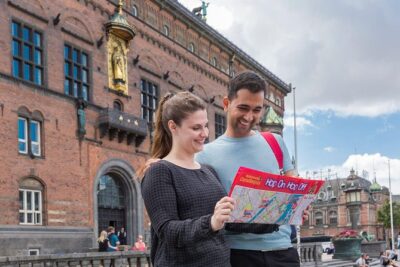
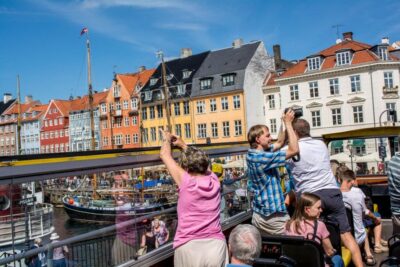
City Sightseeing Copenhagen Hop-On Hop-Off Bus Tour
Read our review →
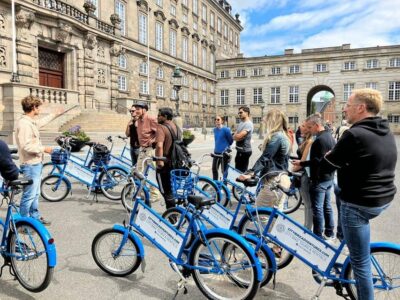

City Card with 40+ Attractions & Hop-On/Off Bus
Read our review →
Browse the lists this tour appears in