
Reviewed · WALKING TOURS
Hans Christian Andersen – walking-tour
A fairy-tale life began on these streets. This private Copenhagen walk follows Hans Christian Andersen from his first arrival at age 14 to his early years as an author. I like the personal story and the way it links his life to tales such as The Ugly Duckling, The Little Mermaid, The Tinderbox, and The Nightingale. I also like that the walk places his ambitions beside real city landmarks, including Christiansborg Palace and the Royal Theatre.
The main drawback is the price: $424.91 per group is reasonable for a full party of 15, but costly for one or two people. The tour also depends on good weather, and the available ratings come from only two written reviews, so you should see the praise as encouraging rather than a large sample.
In This Review
- Key points about this Andersen walk
- Why Andersen’s Copenhagen story works so well
- Starting beside the Andersen statue
- Following a 14-year-old into Copenhagen
- Christiansborg Palace and Andersen’s first ambitions
- The years of trying to belong
- When the first fairy tales began to form
- Ending at the Royal Theatre and Kongens Nytorv
- What the private format adds
- Who will enjoy this most
- Praise for the storytelling
- Booking, weather, and cancellation details
- Should you book the Hans Christian Andersen walk?
- FAQ
- Where does the Hans Christian Andersen walking tour start?
- Where does the tour end?
- How long does the experience last?
- How much does the tour cost?
- Is this a private tour?
- Does the price include admission tickets?
- Is the tour available in poor weather?
- Can I cancel for a full refund?
Key points about this Andersen walk
- Andersen’s first day in Copenhagen: Follow the route linked to his arrival from Odense in 1819, when he was only 14.
- A story about social mobility: Hear how a poor, unusual boy tried to succeed in a society where moving up was difficult.
- The Royal Theatre connection: Learn about his early attempts as an actor, singer, and dancer, and why he stayed close to the theatre.
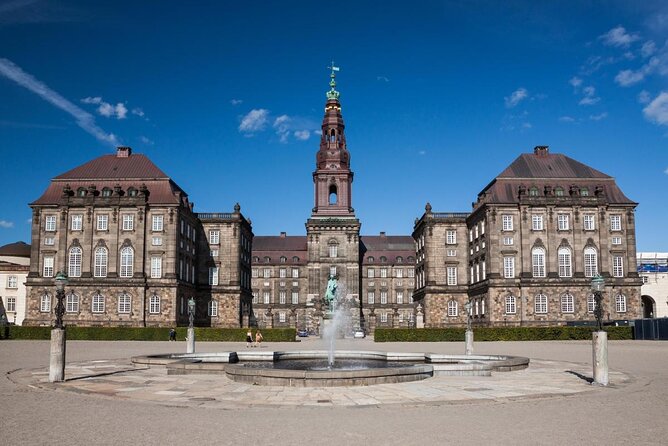
- Christiansborg Palace along the way: Pass the Danish Parliament, royal stables, and the old court theatre.
- Private groups of up to 15: You get a walk designed for your party rather than a large public group.
- A practical finish: The tour ends at Kongens Nytorv, close to one of Copenhagen’s busiest pedestrian shopping streets.
Why Andersen’s Copenhagen story works so well
Many literary walks simply point to a house, a statue, and a plaque. This one has a clearer shape. It treats Copenhagen as the place where Andersen tried several lives before finding the one that worked.
You begin with a teenager arriving from Odense in 1819. The story is not only about a famous writer who later succeeded. It is about a strange, ambitious boy entering a capital city with little money and no secure place in its social order.
That gives the first part real tension. Andersen was not yet the author of beloved fairy tales. He was a 14-year-old trying to make himself noticed. The walk follows the path associated with his first day in the city, which gives the opening a useful sense of movement and purpose.
I especially like the focus on his rags to riches climb. The phrase can sound tidy after the fact, but the tour sets it against a society where social mobility was almost nonexistent. That makes his success feel less automatic and more improbable.
The tour also uses his fairy tales as windows into his life. You hear how his thoughts, dreams, and longings connect with stories such as The Ugly Duckling and The Little Mermaid. This approach can restart your imagination, especially if you know the tales from childhood but have never connected them with the author’s own struggles.
More walking tours in Copenhagen:
- Private Walking Grand Tour of Copenhagen
★ 5.0 · 3,953 reviews - Copenhagen Highlights Walking Tour
★ 5.0 · 2,324 reviews - Politically Incorrect Private Highlights Walking Tour
★ 5.0 · 1,244 reviews
Starting beside the Andersen statue
The meeting point is the statue of Hans Christian Andersen at Rådhuspladsen, Copenhagen’s City Hall Square. That is an easy central place to find, with public transportation nearby.
Starting at his statue gives the walk an immediate visual focus. You are not beginning with a broad lecture about nineteenth-century Denmark. You are standing beside the city’s reminder of the boy who came to Copenhagen and eventually became one of its best-known literary figures.
The experience lasts about two and a half hours. That is long enough for a connected story, but still manageable as part of a day in central Copenhagen. You should wear comfortable shoes, since the tour is a walking route rather than a series of indoor visits.
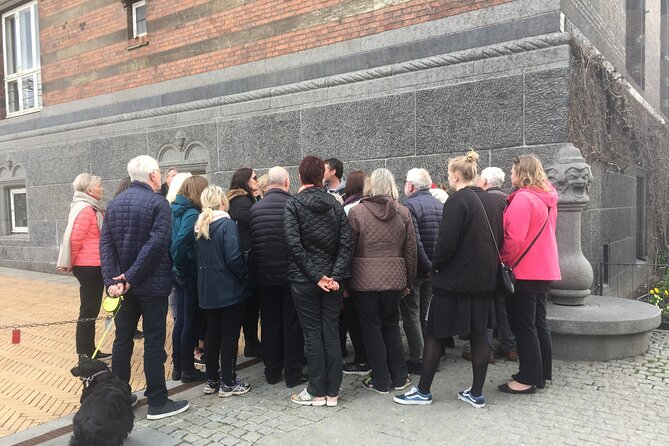
The group is private, with only your party participating, and the maximum group size is 15. For a family, a group of friends, or a small organized party, that setup can make the storytelling more personal. You can also share the cost across the group.
Following a 14-year-old into Copenhagen
The first section traces Andersen’s path into the city after leaving Odense. The important point is not simply where he walked. It is what the city represented to him.
Copenhagen was the place where he hoped to become someone else. He arrived with ambitions that reached beyond his background, and the tour explains how unusual that made him. The phrase strangest boy in town captures the tone: Andersen was not presented as a polished success story, but as an odd and determined young man trying to force open a door.
This part should appeal to you if you enjoy biography more than a standard sightseeing circuit. The streets become the setting for decisions, setbacks, and dreams. Instead of rushing from attraction to attraction, you get a story about what it meant to arrive in a major city with very little certainty.
The walk also gives context about Copenhagen itself. Along the way, you hear about the city’s change from one of Europe’s dirtiest capitals into something better. That wider story matters because Andersen’s life unfolded during a changing city, not inside a timeless fairy-tale backdrop.
The tour does not present Copenhagen as a perfect stage. It connects the city’s physical condition and social structure with Andersen’s early difficulties. That balance makes the route more grounded.
Christiansborg Palace and Andersen’s first ambitions
One named stop is Christiansborg Palace. You pass the complex that houses the Danish Parliament, along with the royal stables and the old court theatre.
The palace area matters because it connects Andersen’s ambitions with the institutions and performers he admired. The old court theatre is especially important. This was the setting linked to his hopes of becoming an actor, singer, and dancer.
You spend about 20 minutes here, with no admission ticket included or required for the walk itself. Since this is a passing stop rather than a palace tour, you should not book it expecting interior access or a full explanation of every building.
What you do get is a useful piece of Andersen’s career story. Before he made his name as a writer, he tried his luck on stage. Those attempts help explain why the Royal Theatre mattered so much to him, and why his relationship with performance remained part of his identity.
This is one of the better features of the route because it avoids treating Andersen as a writer from the beginning. You see the failed or uncertain paths too. Actor, dancer, singer, and finally author: the sequence makes his eventual career feel earned.
A completely different kind of day out:
- Copenhagen: Canal Cruise with Guide
★ 4.6 · 9,115 reviews - Copenhagen: Hop-On Hop-Off Bus Tour with Boat Tour Option
★ 3.9 · 4,122 reviews - From Copenhagen: Lund and Malmö 2-Country Tour
★ 4.7 · 2,772 reviews - Copenhagen: Highlights 3 Hour Bike Tour with a Local Guide
★ 4.8 · 2,312 reviews
The years of trying to belong
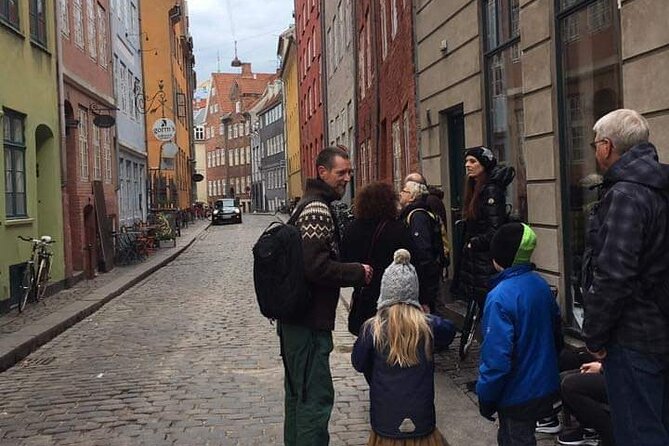
The middle section deals with Andersen’s efforts to make it in Copenhagen. He was not simply waiting for inspiration. He was looking for a place in the city and a way to use his talents.
The story includes the people who helped him, particularly those who recognized his potential and sent him back to school. That detail gives the tour a practical human angle. Andersen’s rise was not only the result of personal genius. It also involved support, connections, and the ability to befriend people who could open doors.
This is a good reminder for you to listen for the less glamorous parts of a famous life. Schooling, social contacts, and persistence may sound ordinary beside fairy tales, but they shaped the author who later became famous.
The tour’s treatment of social class also adds weight. Andersen’s path was unusual because Copenhagen society did not make advancement easy. His story is appealing partly because it combines imagination with very practical survival skills.
The route is therefore about more than literary sightseeing. You learn how someone without an obvious place in the city tried acting, singing, dancing, and social networking before finding a stronger fit as a writer.
When the first fairy tales began to form
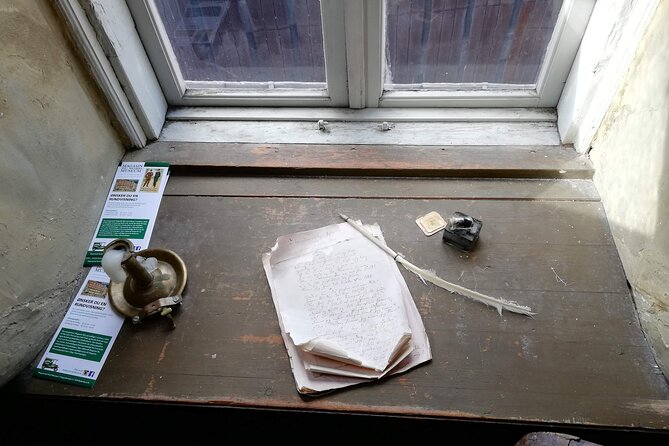
The final part focuses on Andersen’s first years as a struggling author. This is where the route turns from ambition to creation.
You hear how the first famous fairy tales came to life and how his inner life connects with the stories. The strongest idea here is that the tales were not detached inventions. His feelings, hopes, and longings helped shape the kind of characters and situations he wrote about.
That connection can change how you read familiar stories. The Ugly Duckling, for instance, becomes more than a simple lesson about transformation. The Little Mermaid and The Nightingale can also take on a more personal cast when you consider the author’s own longing to find acceptance and a place in the world.
The tour does not promise a literary seminar, and it should not be confused with a visit to a museum devoted to Andersen. Its value is the combination of city streets, biography, and fairy-tale interpretation.
If you arrive knowing only the titles, you will still have enough context to follow the story. If Andersen’s work already matters to you, the connections between his life and his fiction may be the most rewarding part of the walk.
Ending at the Royal Theatre and Kongens Nytorv
The walk finishes at Kongens Nytorv, Copenhagen’s King’s New Square. The stop itself is brief, about five minutes, but its meaning reaches back through the entire tour.
Andersen lived as close as possible to his beloved Royal Theatre throughout more than 50 years as a Copenhagener. Ending near the theatre gives the route a satisfying return to the ambitions introduced at Christiansborg.
This is not just a convenient endpoint. It shows that the theatre remained central to Andersen’s life even after writing became his main success. His early dreams as a performer did not vanish from the story.
The location is also practical. The tour ends close to one of the city’s busiest pedestrian streets, described as one of the longest in the world. You can continue with shopping after the walk, though you may prefer to pause first and let the story settle.
Kongens Nytorv is a useful place to finish a central Copenhagen outing. You are not left at an isolated landmark or required to retrace the entire route to reach shops and transport.
What the private format adds
A private tour can make a major difference on a biography-focused walk. The maximum is 15 people, and only your group takes part. That should make it easier to keep the storytelling focused on your interests.
If your party includes Andersen fans, children who know his fairy tales, or people who prefer history told through personalities, the private format is a good fit. You can stay with the Andersen story rather than adjusting to the interests of a large mixed group.
The downside is cost. At $424.91 for the entire group, the price works out to about $28.33 per person if all 15 places are filled. A group of five would pay about $84.98 each, while one or two people would carry the full charge themselves.
That makes this a group-value experience, not a low-cost solo activity. If you are visiting with friends or family, the price may be fair for two and a half hours of private guiding. If you are alone, compare it carefully with cheaper public walks.
The experience uses a mobile ticket, which keeps the entry process simple. Confirmation is sent within 48 hours of booking, subject to availability, so do not assume an immediate confirmation if your plans are close to the booking date.
Who will enjoy this most
I would choose this walk if you want a personal story tied to real Copenhagen places. It is especially suited to people who like authors, theatre, fairy tales, and stories about unlikely success.
Families may find the subject easy to share because most people recognize at least one Andersen tale. The route also gives children a more memorable way to think about the author than a list of publication dates.
It suits first-time visitors who want a central walking tour with a clear theme. You will see major places such as Christiansborg and Kongens Nytorv, while the focus remains on Andersen rather than general city orientation.
It may be less suitable if you want extensive palace interiors, museum admission, or a tour devoted mainly to architecture. The listed stops are viewed from the walking route, and the emphasis is biography and storytelling.
The pace should also be considered. The walk lasts about 150 minutes, and good walking shoes will make that easier. Since the experience requires good weather, you should keep some flexibility in your Copenhagen schedule.
Praise for the storytelling
The strongest praise centers on the way the tour makes Andersen’s life feel present rather than merely informative. One account describes it as an evocative journey that brought imagination back to life, especially through the links between his thoughts and his fairy tales.
That is the right reason to book this experience. You are not paying simply to hear where Andersen lived or worked. You are paying for a guided interpretation of how his experiences may relate to the stories that made him famous.
Another account presents the guide in costume as a charming, top-hatted Hans Christian Andersen in a morning coat, leading the group through old Copenhagen. The supplied details do not confirm that this presentation is guaranteed for every departure, so treat it as a possible feature rather than a firm promise.
Still, it gives you a useful picture of the tour’s tone. This is meant to feel theatrical and character-led, not dry or academic. If you enjoy a guide who brings a historical figure to life, that style may be a major plus.
The rating is 5 out of 5, but only two written ratings are available. I would take the praise seriously for its specific points, particularly the evocative storytelling, while keeping expectations sensible about the limited sample.
Booking, weather, and cancellation details
You can cancel for a full refund if you do so at least 24 hours before the local start time. Changes or cancellations made less than 24 hours before the start are not accepted for a refund.
The walk requires good weather. If poor weather causes the operator to cancel, you are offered another date or a full refund. The same choice applies if the minimum number of participants is not met and the experience cannot run.
Service animals are allowed, and the meeting point is near public transportation. Most people can participate, but this remains a walking experience lasting about two and a half hours.
Should you book the Hans Christian Andersen walk?
Book it if you want Andersen’s Copenhagen told as a human story, from an awkward 14-year-old arrival to the first fairy tales and the lasting pull of the Royal Theatre. The strongest feature is the connection between his longings and the stories you already know.
It is best value for a private group that can share the $424.91 cost. Solo visitors and couples may find it expensive, while a full group of 15 gets a strong per-person rate.
Choose a different experience if you want indoor palace visits, a broad survey of Copenhagen, or a bargain-priced public walk. But if you like literary history with a little stagecraft, this route offers a thoughtful way to see the city through the life of its most famous storyteller.
FAQ
Where does the Hans Christian Andersen walking tour start?
The tour starts at the statue of Hans Christian Andersen at Rådhuspladsen, 1553 København V, Denmark.
Where does the tour end?
The walk ends at Kongens Nytorv in Copenhagen, close to a major pedestrian shopping street.
How long does the experience last?
The tour lasts approximately 2 hours and 30 minutes.
How much does the tour cost?
The price is $424.91 per group, with up to 15 people included.
Is this a private tour?
Yes. Only your group participates, and the group can include up to 15 people.
Does the price include admission tickets?
The listed visits to Christiansborg Palace and Copenhagen’s King’s New Square have no admission ticket charge. The experience is primarily a walking tour.
Is the tour available in poor weather?
The experience requires good weather. If it is canceled because of poor weather, you are offered a different date or a full refund.
Can I cancel for a full refund?
Yes. You must cancel at least 24 hours before the experience start time for a full refund. Changes or cancellations made later are not accepted for a refund.
Just added in Copenhagen
- WWII Copenhagen Nyhavn and War Museum Private Walking Tour★ 5.0 · 2 reviews
- a day at North Zealand Castle Tour★ 4.5 · 19 reviews
- Copenhagen Walking Tour with Food Testing (smorrebrod dish & snap)★ 4.5 · 10 reviews
- World-class street football experience in Copenhagen★ 5.0 · 1 review
- walking tour – Copenhagen and Christiansborg 3 hours★ 4.0 · 7 reviews
- Stevns Klint UNESCO World Heritage Site Tour from Copenhagen★ 5.0 · 1 review
- The Philosopher’s Last Walk: An audio tour on the life of Søren Kierkegaard★ 4.5 · 5 reviews
- The Six Forgotten Giants Trolls Hunt with Minibus★ 4.5 · 27 reviews
Walking Tours, compared.

Politically Incorrect Private Highlights Walking Tour
Read our review →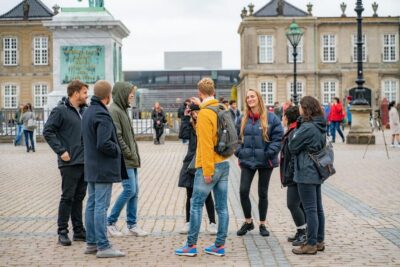
Group Walking Tour – City Highlights – 2 Hours
Read our review →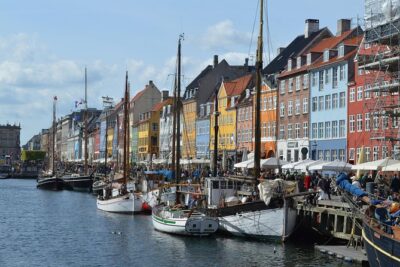
3h walking tour, small group max 10 people Copenhagen
Read our review →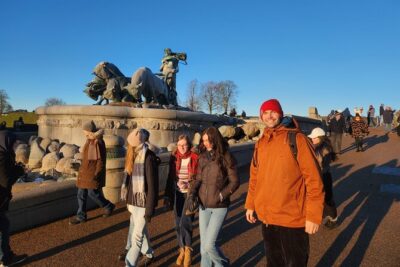
Walk & Canal Tour: Copenhagen Highlights + Changing of the Guards
Read our review →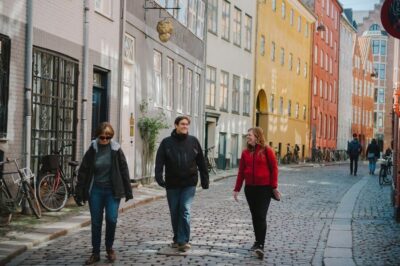
Browse the lists this tour appears in