

Reviewed · WALKING TOURS
Copenhagen: Highlights and Hidden Gems Walking Tour
Copenhagen rewards a good first walk. This three-hour tour links the city’s best-known sights with smaller cultural details, from the colored townhouses of Nyhavn to the Lur Blowers monument beside City Hall. I especially like the local guide format, which gives you room to ask questions, and the route’s mix of royal buildings, shopping streets, waterfront views, and Danish customs. The main consideration is simple: this is a sightseeing walk, not an interior tour, so most stops are viewed from outside.
The personal recommendations add real value, especially if Copenhagen is new to you. Guides such as Simona, Mood, and Frédéric have been praised for adapting explanations to individual interests, answering questions, and suggesting restaurants. At $58 per person, the price is fair for a private option or a small shared experience, but less attractive if you only want a quick photo walk.
In This Review
- Key points at a glance
- Starting at Studiestræde 52
- Strøget: Copenhagen’s central shopping spine
- Christiansborg Palace and the Danish center of power
- Magasin du Nord and the city’s everyday face
- The Royal Danish Theatre and Frederiks Kirke
- Amalienborg Palace and Copenhagen’s royal quarter
- Nyhavn: the colorful finish
- The Lur Blowers monument and Danish identity
- Guide quality and the personal touch
- Is $58 a fair price?
- Who will enjoy this Copenhagen walk?
- My booking advice
- FAQ
- How long does the Copenhagen Highlights and Hidden Gems Walking Tour last?
- Where does the tour meet?
- What languages are available?
- Is this a private tour?
- Does the tour include palace or church admission?
- Is the tour wheelchair accessible?
- What is included in the price?
- Can I cancel for a full refund?
Key points at a glance
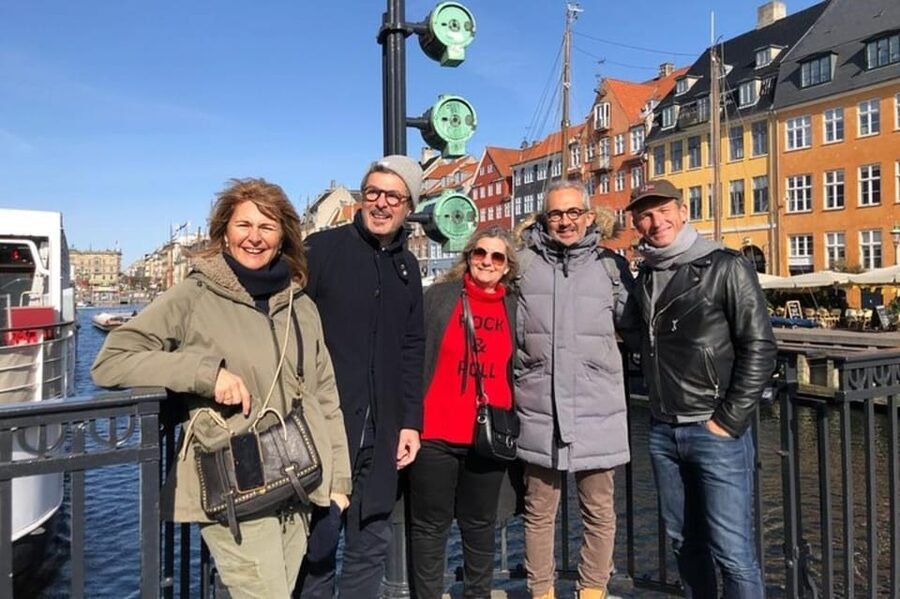
- Nyhavn closes the route with Copenhagen’s classic postcard view: Colorful 17th and 18th-century townhouses line the canal beside cafés and boats.
- The route covers Copenhagen’s royal center: You pass Amalienborg Palace, Christiansborg Palace, the Royal Danish Theatre, and Frederiks Kirke.
- Your guide can shape the conversation: Simona was praised for adjusting the tour to personal interests, while Mood and Frédéric received warm comments for their explanations and advice.
- The Lur Blowers monument adds a local note: This stop connects the walk to Danish heritage rather than focusing only on grand buildings.
- Strøget gives you a practical city introduction: Copenhagen’s famous shopping street helps you understand the central layout and provides an easy place to continue exploring.
- The tour is offered in four languages: You can select English, French, Italian, or Spanish, with private groups available.
Starting at Studiestræde 52
The tour begins at Studiestræde 52, a central Copenhagen meeting point. You should arrive ready for three hours on foot, since the experience is built around moving through the center rather than riding between attractions.
That walking format matters. Copenhagen’s royal quarter, shopping streets, waterfront, and civic landmarks are close enough to connect on foot, and a guide can explain how the areas relate to one another as you go. You are not simply checking off isolated monuments. You are building a mental map of central Copenhagen.
The exact starting time depends on availability, so check the schedule before booking. The guide languages are English, French, Italian, and Spanish. If you want more control over the pace or questions, choose the private group option. A shared group should suit you if you prefer a lower-cost social format and do not mind following a set route.
More walking tours in Copenhagen:
- Private Walking Grand Tour of Copenhagen
★ 5.0 · 3,953 reviews - Copenhagen Highlights Walking Tour
★ 5.0 · 2,324 reviews - Politically Incorrect Private Highlights Walking Tour
★ 5.0 · 1,244 reviews
Strøget: Copenhagen’s central shopping spine
Strøget receives about 30 minutes for a guided visit, sightseeing, and photographs. This is more than a shopping stop. The street helps introduce Copenhagen’s commercial heart and gives you a sense of how the central districts fit together.
You can expect your guide to point out the character of the area and explain its place in city life. The tour also passes Magasin du Nord, Copenhagen’s iconic department store, adding another view of the city’s shopping tradition.
I like this part of the route because it gives the tour a useful change of pace. The royal buildings are formal and monumental, while Strøget is about daily urban life. If you plan to shop or return later for a meal, the guide’s orientation can save you from wandering without a plan.
The limitation is that 30 minutes is not enough for serious shopping. Treat Strøget as a city introduction, not a dedicated retail visit. You will have time for photographs, questions, and a look at the surroundings, but not an extended browse through every shop.
Christiansborg Palace and the Danish center of power
Christiansborg Palace is another 30-minute stop. The palace is one of the route’s major landmarks, and its location makes it a useful place to discuss Copenhagen’s political and royal past.
The experience focuses on a guided visit, sightseeing, and photographs. Since the tour does not include an interior admission, you should think of this as an exterior introduction. Your guide supplies the context that a photograph cannot, helping you understand why the building matters and how it fits into the city.
This is one of the places where a private tour can be especially useful. If you enjoy politics, architecture, or Danish institutions, you can ask for more detail. If grand buildings are not your main interest, the guide can keep the explanation shorter and move the conversation toward other parts of Copenhagen.
Christiansborg also gives the route a strong sense of place. You are not only seeing an attractive palace. You are looking at a building tied to the public life of Denmark, which gives the walk more substance than a string of pretty façades.
Magasin du Nord and the city’s everyday face
The stop at Magasin du Nord lasts about 30 minutes and includes photographs, sightseeing, and guide commentary. Its inclusion keeps the tour from becoming too heavily focused on palaces and churches.
A department store may sound less exciting than a royal residence, but it shows another side of Copenhagen. You get a look at a long-established shopping institution and the commercial setting around it. The guide can also connect this stop with Strøget, making the route easier to follow if you want to return independently.
This is a practical stop for first-time visitors. You can use the area as a reference point later in your visit, especially if you want to find shops or continue walking through the center.
Still, your expectations should be sensible. The attraction here is the location and local explanation, not a special shopping activity. If you are not interested in retail, this may feel like one of the less memorable parts of the walk.
A completely different kind of day out:
- Copenhagen: Canal Cruise with Guide
★ 4.6 · 9,115 reviews - Copenhagen: Hop-On Hop-Off Bus Tour with Boat Tour Option
★ 3.9 · 4,122 reviews - From Copenhagen: Lund and Malmö 2-Country Tour
★ 4.7 · 2,772 reviews - Copenhagen: Highlights 3 Hour Bike Tour with a Local Guide
★ 4.8 · 2,312 reviews
The Royal Danish Theatre and Frederiks Kirke
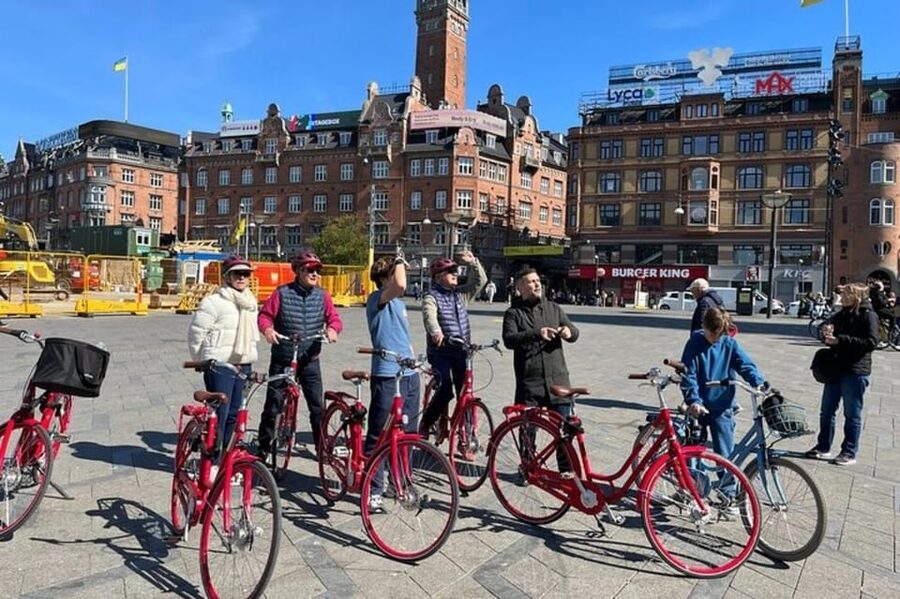
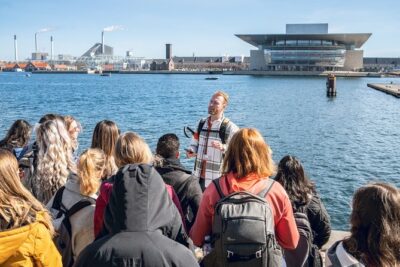
The route continues toward the Royal Danish Theatre Play House and Frederiks Kirke, better known as the Marble Church. The theatre stop allows you to see an important performing arts landmark, while the church offers a striking example of rococo architecture.
Frederiks Kirke is one of the more visually impressive stops. Its marble appearance and grand design make it easy to appreciate even during a short exterior visit. The guide’s role is important here because architecture can seem decorative until someone explains its style and place in Copenhagen.
The Royal Danish Theatre adds variety. Instead of seeing only government buildings and palaces, you also get a sense of Danish cultural life. The Play House helps show that Copenhagen’s identity is not limited to monarchy and old streets. It is also a city of theatre, design, and public culture.
The timing gives each landmark roughly half an hour, but that does not necessarily mean every stop receives a full uninterrupted lecture. The guide may divide the time among walking, photos, questions, and nearby sights. That is helpful if you prefer a moving tour, but you should book a specialist architecture visit if you want detailed technical discussion.
Amalienborg Palace and Copenhagen’s royal quarter
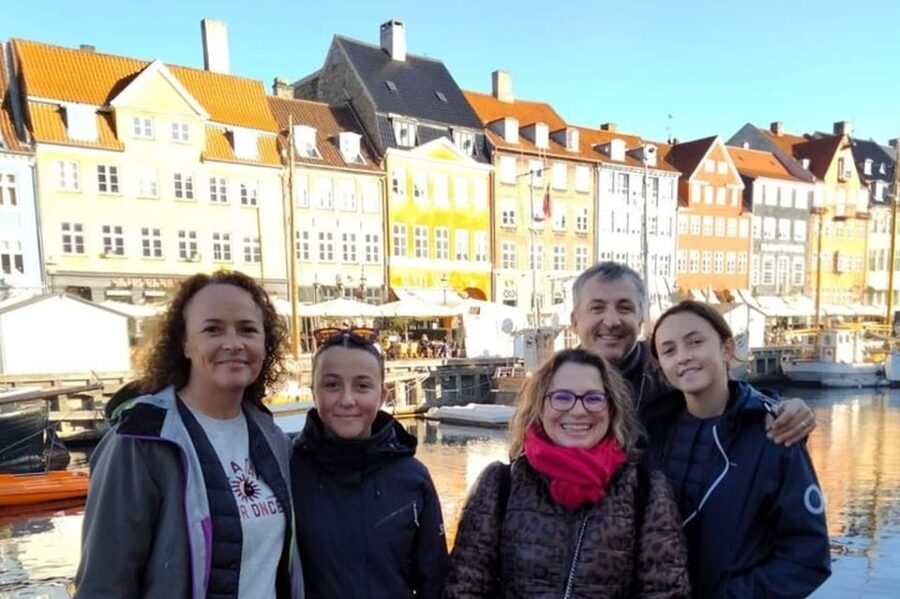
Amalienborg Palace is one of the central highlights. The palace complex gives you a close look at Copenhagen’s royal setting, and your guide explains the significance of the buildings as you walk through the area.
I like this stop because it pairs well with Christiansborg. Seeing both palaces lets you compare two major parts of Danish public life. Christiansborg brings political importance, while Amalienborg presents the royal side of the city.
The tour also includes the Royal Danish Theatre nearby, so the sequence creates a coherent picture of the quarter. You are seeing architecture, ceremony, culture, and civic life within the same section of Copenhagen.
Again, the supplied experience describes a walk and photo stop rather than entry inside the palace. If entering royal interiors is your priority, you will need a separate visit. For a first orientation, though, the exterior visit is efficient and gives you a strong sense of the area without requiring a longer museum schedule.
A private option may be worthwhile here if you have specific questions about Danish royalty or want to spend more time photographing the buildings. On a shared tour, the guide must balance several interests and maintain the schedule.
Nyhavn: the colorful finish

Nyhavn is the visual payoff of the route. Its canal is lined with colorful 17th and 18th-century townhouses, cafés, and waterfront activity. This is the Copenhagen scene you are most likely to recognize in photographs, but seeing it with context makes the view more meaningful.
Your guide points out the district’s character and gives you time for photographs. The bright façades are appealing, but the real pleasure is the contrast between the narrow historic buildings, the water, and the lively café setting.
Nyhavn is also a good place to finish because you can continue exploring after the formal tour ends. The guide’s suggestions may help you decide where to eat or what to see next. One participant specifically praised Simona’s restaurant recommendation, describing it as exactly right for the occasion. That sort of practical advice can be worth a great deal in a city where a poor meal can cost as much as a good one.
The drawback is that Nyhavn can be crowded and commercial in feel. The tour does not promise a quiet waterfront experience, and the cafés are not presented as part of the package. Enjoy the views, take your pictures, and ask your guide where to go next rather than assuming the most visible restaurant is the best choice.
The Lur Blowers monument and Danish identity
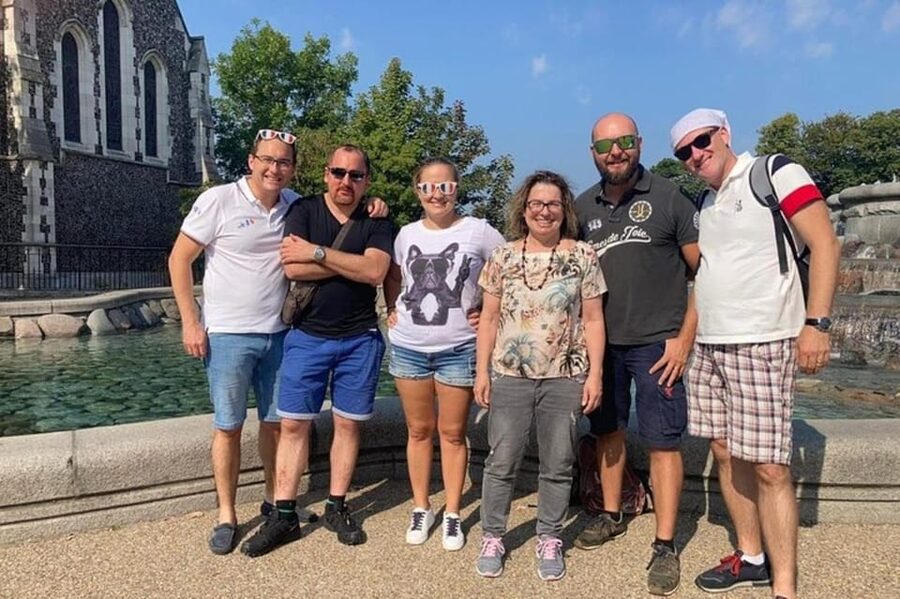
The Lur Blowers monument, beside City Hall, gives the walk one of its more unusual stops. It is not as instantly famous as Nyhavn or Amalienborg, which is exactly why it adds character.
The monument refers to the lur, an ancient Danish horn. Its role in Danish heritage gives your guide a chance to move beyond royal architecture and explain a small piece of national identity. This is the kind of stop that can make a city walk feel more personal. You are learning not only where to take photographs, but also what symbols matter in Denmark.
The monument is especially useful for anyone who likes cultural details. You may remember the story longer than another palace façade because it is unexpected and tied to Danish heritage.
The available route description places the Lur Blowers monument near City Hall, while the listed timed itinerary focuses on the main central sights. That means you should treat it as part of the broader walk rather than expect a long, separate visit. Your guide’s explanation is the key value.
Guide quality and the personal touch

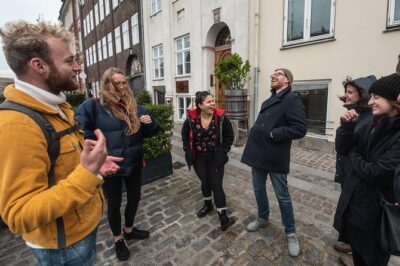
The strongest part of this experience is the guide service. The feedback is consistently positive, with particular praise for Simona and Mood, and a warm mention for Frédéric.
Simona is described as empathetic, patient, enthusiastic, and able to answer questions across many subjects. Another account praises her as energetic and friendly throughout the tour. Bart also appreciated her ability to adjust the route and information to personal interests, along with a restaurant suggestion that proved especially useful.
Mood received praise in both English and French, including comments on his historical explanations and advice for making the most of a weekend in Copenhagen. Frédéric was praised for introducing Danish customs as well as the city itself. These details matter because they show the tour is not limited to memorized facts.
You should still remember that guide quality can vary from person to person. The perfect match depends on your language, interests, and communication style. The consistently strong scores are encouraging, but they cannot guarantee which guide you will receive.
Is $58 a fair price?
At $58 per person, this tour sits in the reasonable range for a three-hour guided city walk, especially when you select a private group. You are paying for a live guide, a planned route, local context, and the chance to ask questions. The practical advice about restaurants and other things to do can also improve the rest of your stay.
The value is strongest if Copenhagen is new to you, your time is limited, or you want help connecting the major sights. It is also appealing if you prefer conversation to reading plaques or following an audio guide.
The value is weaker if you already know central Copenhagen, want extensive palace interiors, or mainly need a cheap way to take pictures. No attraction admissions, food, or transport are included. You are paying for the guided walking experience itself.
The option to reserve now and pay later gives you some planning flexibility, and cancellation is free up to 24 hours in advance. Wheelchair access is listed, which is useful if accessibility affects your choice, though you should still confirm the route details for your specific booking.
Who will enjoy this Copenhagen walk?
I would recommend it most to first-time visitors, weekend visitors, couples, families, and anyone who wants a clear introduction before exploring alone. The route covers enough major sights to make the three hours feel useful without committing you to a full-day program.
It also suits people who like to ask questions. The guide can discuss royal buildings, architecture, Danish customs, shopping, local food, and other activities in the city.
A private group is the better fit if your party has strong interests or different walking speeds. A shared option should work well if you are comfortable with a common pace and want the basic route at a lower overall cost.
You may want something else if your main goal is museum entry, palace interiors, food tasting, or a specialized architecture lecture. This experience is broad rather than narrowly focused.
My booking advice
I would book this tour if you want a well-rounded first look at Copenhagen and value a guide who can answer questions rather than simply recite facts. The combination of Strøget, Christiansborg, Magasin du Nord, the Royal Danish Theatre, Amalienborg, Frederiks Kirke, Nyhavn, and the Lur Blowers monument gives you a useful introduction to the city’s public, royal, cultural, and commercial sides.
I would choose the private option for families or anyone eager to shape the discussion. I would choose the shared option if you mainly want orientation and photographs. Either way, arrive ready to walk, wear comfortable shoes, and ask for restaurant and evening suggestions before the tour ends.
FAQ
How long does the Copenhagen Highlights and Hidden Gems Walking Tour last?
The tour lasts three hours.
Where does the tour meet?
The meeting point is Studiestræde 52 in Copenhagen.
What languages are available?
The live tour guide is available in English, French, Italian, and Spanish.
Is this a private tour?
You can choose a private group or a shared walking tour, depending on the option selected.
Does the tour include palace or church admission?
The experience describes guided sightseeing and photo stops at the landmarks. It does not list interior admission as an inclusion.
Is the tour wheelchair accessible?
Yes, the activity is listed as wheelchair accessible.
What is included in the price?
The price includes the private or group walking tour, depending on your selection, and a guide.
Can I cancel for a full refund?
Yes. You can cancel up to 24 hours in advance for a full refund.
Just added in Copenhagen
- WWII Copenhagen Nyhavn and War Museum Private Walking Tour★ 5.0 · 2 reviews
- a day at North Zealand Castle Tour★ 4.5 · 19 reviews
- Copenhagen Walking Tour with Food Testing (smorrebrod dish & snap)★ 4.5 · 10 reviews
- World-class street football experience in Copenhagen★ 5.0 · 1 review
- walking tour – Copenhagen and Christiansborg 3 hours★ 4.0 · 7 reviews
- Stevns Klint UNESCO World Heritage Site Tour from Copenhagen★ 5.0 · 1 review
- The Philosopher’s Last Walk: An audio tour on the life of Søren Kierkegaard★ 4.5 · 5 reviews
- The Six Forgotten Giants Trolls Hunt with Minibus★ 4.5 · 27 reviews
Walking Tours, compared.
Politically Incorrect Private Highlights Walking Tour
Read our review →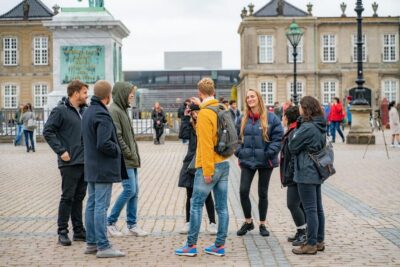
Group Walking Tour – City Highlights – 2 Hours
Read our review →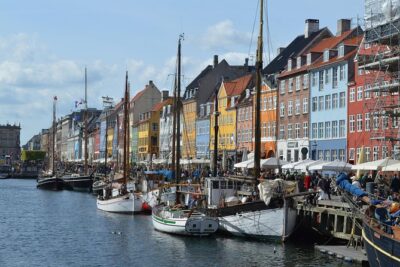
3h walking tour, small group max 10 people Copenhagen
Read our review →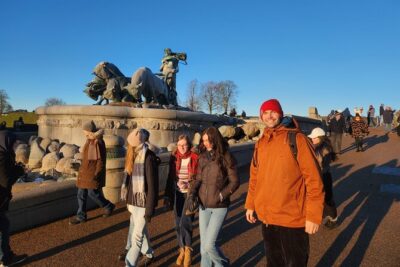
Walk & Canal Tour: Copenhagen Highlights + Changing of the Guards
Read our review →
Browse the lists this tour appears in