
Reviewed · CANAL AND HARBOUR TOURS
Copenhagen: Harbor Architecture Private Walking Tour
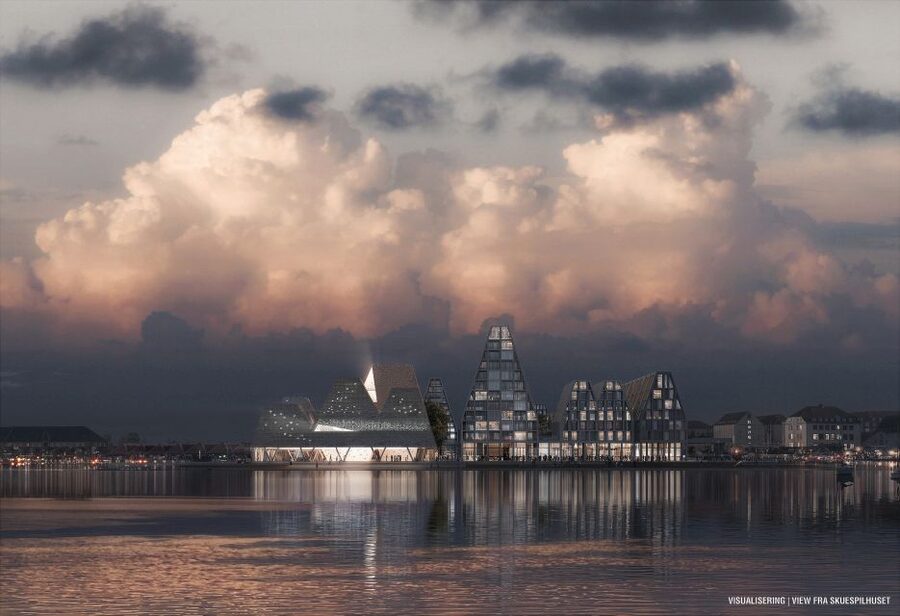
Copenhagen’s waterfront is an open-air design lesson. This private two-hour walk links the old harbor at Nyhavn with newer projects such as Cirkelbroen and the Danish Architecture Centre, giving you a clear look at how Copenhagen has reshaped its water’s edge. I like the small private format, and I like that the tour connects colorful historic streets with bold modern buildings. The main drawback is the price: at $394 for up to two people, it is a serious expense for a short walking tour.
You start near Ofelia Plads, close to Nyhavn, and finish across the harbor at Islands Brygge. That point-to-point route gives the outing a useful sense of movement instead of sending you back to the same place. Just confirm the final route when booking, since the description also refers to Papiroen and Operaen while the detailed stops list Krøyers Plads, the Royal Library, and the Danish Architecture Centre.
In This Review
- Key points at a glance
- Why Copenhagen’s harbor deserves a walking tour
- Starting at Ofelia Plads beside the old harbor
- Nyhavn: colorful houses with a working-port past
- Krøyers Plads and the city’s newer waterfront
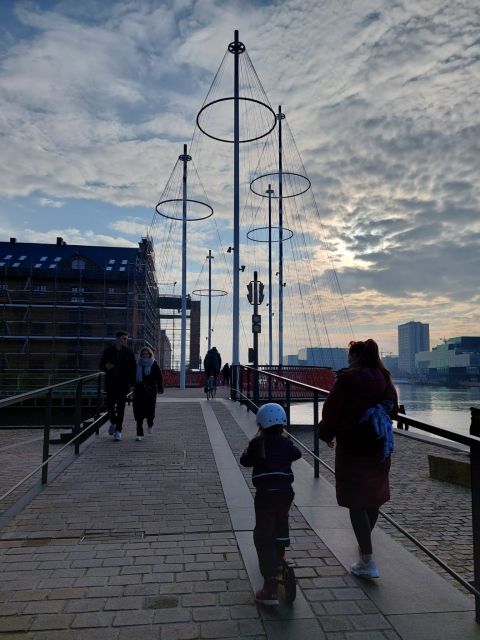
- Cirkelbroen, a bridge designed for people
- The Royal Library and a brief photographic pause
- The Danish Architecture Centre as the final major stop
- What the guide adds to the experience
- Is $394 a fair price for two hours?
- Who should book this harbor walk?
- My verdict: a focused look at Copenhagen’s changing harbor
- FAQ
- Where does the Copenhagen harbor architecture tour begin?
- Where does the tour finish?
- How long does the tour last?
- What places are included in the route?
- Is the tour private?
- Which languages are available?
- What should I bring?
- Is the tour suitable for wheelchair users?
Key points at a glance
- Private tour for up to two people: You get a guide focused on your group, with English and Spanish available.
- A walk from old harbor to new city: The route begins near Nyhavn and ends at Islands Brygge, showing different chapters of Copenhagen’s waterfront development.
- Strong architecture focus: Stops include Ofelia Plads, Nyhavn, Krøyers Plads, Cirkelbroen, the Royal Library, and the Danish Architecture Centre.
- Guide praise matters: Dalit’s enthusiasm helped make the city shine for one couple, while another guest praised the guide’s command of the harbor’s story.
- Two hours, rain or shine: Wear comfortable clothes, bring water, and be ready to walk outdoors in changing weather.
- Best for design-minded visitors: This suits you if buildings, public spaces, city planning, and waterfront renewal interest you more than museum interiors.
Why Copenhagen’s harbor deserves a walking tour
Copenhagen’s harbor is not just a scenic strip of water. It is a record of the city’s changes, from working port to cultural district, dining area, public gathering space, and architectural showcase.
That mix is what makes this tour worthwhile. At Nyhavn, you see the old Copenhagen of narrow waterfront buildings, canal traffic, and port life. Later, the route turns toward newer buildings and bridges that show how the city has adapted former industrial areas for public use.
Copenhagen was named World Capital of Architecture in 2023, and this walk gives you a practical reason why. You are not simply looking at isolated buildings. You are seeing how architecture shapes the way people move, meet, eat, cross the water, and use public space.
The format is also helpful. A private guide can adjust the conversation toward what catches your eye. If you care about materials and design, you can ask about those. If you prefer the social story of the harbor, you can focus on how port districts changed over time.
At the same time, two hours goes quickly. This is an introduction, not a full architectural study. You will see several places, but you should not expect a long interior visit or a detailed discussion of every building.
More canal and harbour trips in Copenhagen:
- Copenhagen: Canal Cruise with Guide
★ 4.6 · 9,115 reviews - Copenhagen: Hop-On Hop-Off Bus Tour with Boat Tour Option
★ 3.9 · 4,122 reviews - Copenhagen Sightseeing Classic Canal Tour With Live Guide
★ 4.5 · 1,906 reviews
Starting at Ofelia Plads beside the old harbor
The meeting point is in front of the Scandic Hotel at Ofelia Plads, listed at Sankt Annæ Plads 21. Ofelia Plads sits near the famous Nyhavn waterfront, making it a sensible place to begin a route about Copenhagen’s harbor architecture.
The plaza helps set the tone. It is an open public space beside the water, and from here you can begin thinking about the harbor as a civic area rather than only a postcard scene. Your guide introduces the route and explains how the nearby waterfront fits into Copenhagen’s wider development.
The guide leads a walking tour, so bring water and wear comfortable clothing. There is no hotel pickup or drop-off, and no food or drink is included. You should arrive ready to walk from the first stop rather than treating this as a sightseeing ride.
A private group is useful here because the opening discussion can be conversational. With only your own party, you can ask why a certain building was placed where it is or how a public space is meant to function.
Nyhavn: colorful houses with a working-port past
Nyhavn is the most familiar stop, but the guide’s context is what gives it value. Its colorful houses and canal-side restaurants attract plenty of attention, yet the area began as a working port and has a much less polished past.
You learn about the district’s origins, its role in port life, and the artists and writers connected with the area. That background helps you see beyond the painted facades. The buildings are attractive, but the real story is how a utilitarian harbor district became one of Copenhagen’s best-known public spaces.
The planned guided visit lasts about 15 minutes. That is enough for an introduction and some photographs, but not enough for a detailed architectural survey of every house. If Nyhavn is a major reason you booked the tour, you may want to return later at your own pace.
I like the way this stop provides a contrast with the newer architecture ahead. You begin with a waterfront shaped by trade and daily work, then gradually move toward spaces designed for culture, leisure, and public access.
Krøyers Plads and the city’s newer waterfront
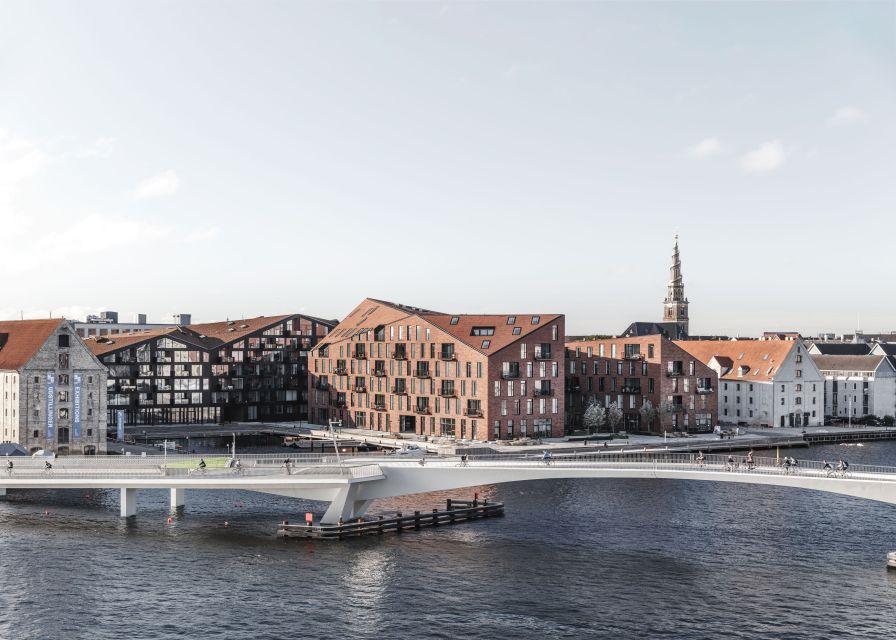
The route continues to Krøyers Plads, where the focus shifts toward newer urban design. This is one of the points where the tour becomes more than a pleasant stroll. You start asking how a former harbor edge can be made useful and attractive without losing its connection to the water.
The guide discusses the area’s architecture and development, helping you read the relationship between buildings, open space, and the harbor. The stop is scheduled for about 15 minutes, so expect a focused explanation rather than a long pause.
For me, the value here is comparison. Nyhavn presents a historic waterfront with narrow facades and a strong sense of place. Krøyers Plads represents a newer approach, where public space, modern buildings, and views are planned together.
Architecture tours can sometimes get lost in technical terms. This one appears better suited to general visitors who want to understand why Copenhagen looks the way it does. You do not need a design degree to follow the basic questions: Who uses this space? How does the building meet the water? What has been preserved, and what has changed?
A completely different kind of day out:
- Private Walking Grand Tour of Copenhagen
★ 5.0 · 3,953 reviews - From Copenhagen: Lund and Malmö 2-Country Tour
★ 4.7 · 2,772 reviews - Copenhagen Highlights Walking Tour
★ 5.0 · 2,324 reviews - Copenhagen: Highlights 3 Hour Bike Tour with a Local Guide
★ 4.8 · 2,312 reviews
Cirkelbroen, a bridge designed for people
Cirkelbroen is one of the most memorable stops. This pedestrian bridge uses circular forms and was inspired by the circles of life. Its purpose is simple, connecting two sides of the harbor, but its shape makes the crossing feel like an architectural event.
The bridge shows how infrastructure can also become part of the city’s identity. You are not looking at a building that people merely pass by. You are looking at a structure that changes the experience of crossing the water.
The scheduled guided visit is about 15 minutes. That gives your guide time to explain the design and gives you a chance to take photographs. The bridge is likely one of the tour’s best places for pictures because its form, water setting, and pedestrian function come together in one view.
This is also a good reminder to wear sensible shoes. The tour covers several waterfront areas on foot, and the route takes place rain or shine. Comfortable clothes matter more than dressing for a formal cultural attraction.
The Royal Library and a brief photographic pause
The Royal Library of Denmark is listed as a photo stop rather than a full guided visit. That distinction matters. You will have time to look, take pictures, and hear how the building fits into the harbor setting, but you should not expect an extended interior tour.
The library is an effective stop because it adds another type of architecture to the route. You have already seen historic canal buildings, public plazas, and a pedestrian bridge. Here, the focus turns to a major cultural institution and its relationship with the waterfront.
The 15-minute timing keeps the tour moving. That is useful during a two-hour outing, though it also means you may want to return later if the library interests you particularly. The stop is best understood as part of the larger visual sequence rather than a substitute for visiting the institution itself.
The Danish Architecture Centre as the final major stop
The Danish Architecture Centre, often called DAC, brings the tour’s subject into direct focus. The scheduled guided visit lasts about 15 minutes, allowing your guide to connect the buildings and public spaces you have seen with Copenhagen’s wider approach to architecture.
This is a smart final stop because it gives the walk a point of reflection. Instead of ending with one more attractive view, you finish with a place dedicated to architecture and urban development.
The tour ends at Islands Brygge 4, 2300 København. Since the finish is not the same as the starting point, plan your next move before you set off. The route is useful if you want to continue exploring the harbor, but it may be less convenient if you need to return immediately to your hotel.
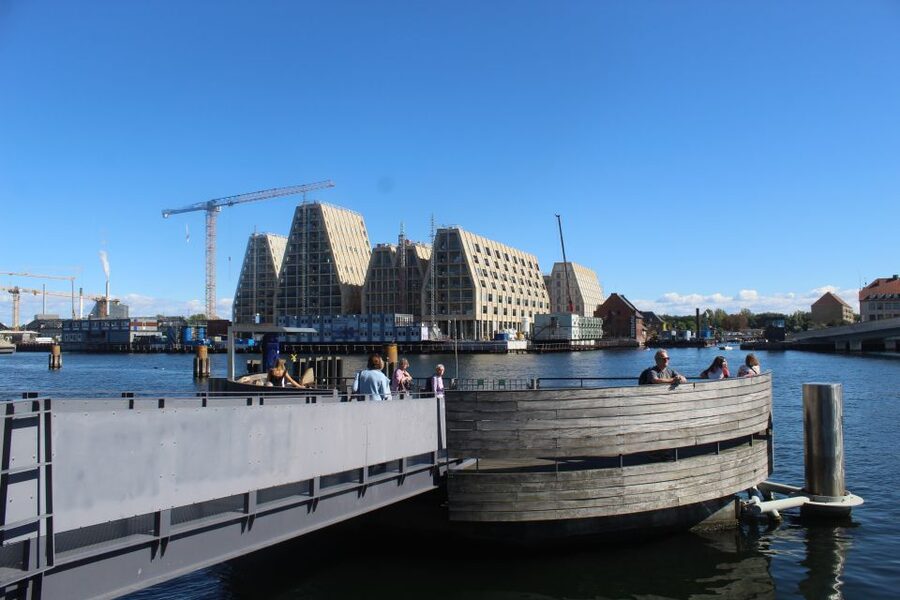
The supplied tour description also names Papiroen and Operaen as places to explore. Operaen, completed in 2005, is described as a waterfront landmark shaped by the harbor and Denmark’s cultural traditions. Papiroen is presented as a former paper-mill area transformed into a modern public district while retaining parts of its industrial character.
Because these names do not match the formal stop-by-stop route, ask the provider whether they are included on your chosen departure. That small check can prevent disappointment, especially if Operaen or Papiroen is your main reason for booking.
What the guide adds to the experience
The guide is the heart of this tour. Buildings are easy to photograph on your own, but their purpose and background are harder to understand without someone explaining the choices behind them.
The published guide languages are English and Spanish. One highly rated booking specifically praised Dalit’s enthusiasm, saying her energy made Copenhagen shine even more. Another praised the guide for an excellent command of the harbor and said the tour offered a great way to learn about the city.
Those comments point to the experience’s strongest feature: the human explanation. The rating is 4.8 from four reviews, a small sample, but the available feedback is consistently positive. I would give particular weight to the repeated praise for the guide’s subject knowledge and enthusiasm, since those qualities matter more here than flashy extras.
A private setting also makes questions easier. You can ask about the history of a building, the reason for a bridge’s unusual form, or the balance between preserving industrial traces and creating new public spaces.
Is $394 a fair price for two hours?
The cost is $394 per group of up to two people. If two people join, that works out to $197 each. If you travel alone, the same group price makes the value much harder to justify.
The private format explains part of the cost. You are paying for a guide dedicated to your party, not for a seat in a large group. That can be worthwhile if you have a strong interest in architecture or want a flexible conversation in English or Spanish.
Still, the price is high for a two-hour walk. There is no meal, transport, attraction admission, or hotel service included. The value rests almost entirely on the quality of the guide and the usefulness of the route.
I would book it if architecture is a central interest and you are traveling as a pair. I would hesitate if you mainly want a general introduction to Copenhagen, since you can see many harbor views independently. The tour makes more financial sense when you treat it as a private lesson in city design rather than a standard sightseeing walk.
Who should book this harbor walk?
You are a good match for this tour if you enjoy asking why a city looks the way it does. It suits design students, architects, photographers, urban-planning fans, and curious visitors who want more than a list of famous sights.
It also works well early in a Copenhagen stay. The route gives you a sense of the harbor’s layout and links several districts, so you can decide which areas deserve a longer return visit.
The tour is less suitable if you want relaxed café time, a museum visit, or a slow photo walk with no fixed pace. Two hours and several stops call for steady movement.
The tour is not suitable for people with mobility impairments or wheelchair users. Since it runs outdoors in all weather, you should also check the forecast and bring water. Rain will not cancel the walk, so a waterproof layer is sensible.
Booking is flexible in one useful way: you can cancel up to 24 hours ahead for a full refund, and you can reserve now while paying later. Those policies help if your Copenhagen schedule is still changing, but they do not alter the tour’s central limitation, which is the high price for a short walk.
My verdict: a focused look at Copenhagen’s changing harbor
I would book this tour if I wanted a private, guide-led introduction to Copenhagen’s architectural development, especially as a pair. The route has a good story arc, moving from Nyhavn’s old port character through newer public spaces, Cirkelbroen, the Royal Library, and DAC.
The best reason to choose it is the guide. Dalit’s enthusiasm and the repeated praise for the guide’s command of the harbor suggest that the explanations are likely to be the main payoff.
I would skip it if you are price-sensitive or mainly want to see Operaen and Papiroen without extra context. In that case, confirm the route first, since those locations are described separately from the detailed stop list.
For the right reader, this is a thoughtful way to understand Copenhagen’s waterfront. Just bring comfortable clothes, allow for rain, confirm which buildings are included, and make sure the private price fits your budget.
FAQ
Where does the Copenhagen harbor architecture tour begin?
The meeting point is in front of the Scandic Hotel at Ofelia Plads, near Nyhavn. The listed starting address is Sankt Annæ Pl. 21.
Where does the tour finish?
The walk finishes at Islands Brygge 4, 2300 København, Denmark.
How long does the tour last?
The tour lasts two hours.
What places are included in the route?
The detailed route includes Ofelia Plads, Nyhavn, Krøyers Plads, Cirkelbroen, the Royal Library of Denmark, and the Danish Architecture Centre. The description also refers to Papiroen and Operaen, so confirm whether those are included in your selected route.
Is the tour private?
Yes. It is a private group experience for up to two people.
Which languages are available?
The live guide is available in English and Spanish.
What should I bring?
Bring water and wear comfortable clothes. The tour takes place outdoors in all weather.
Is the tour suitable for wheelchair users?
No. The activity is not suitable for people with mobility impairments or wheelchair users.
More Walking Tours in Copenhagen
- Politically Incorrect Private Highlights Walking Tour
★ 5.0 · 1,244 reviews - Copenhagen: Group Walking Tour – City Highlights – 2 Hours
★ 4.7 · 1,088 reviews - 3h walking tour, small group max 10 people Copenhagen
★ 5.0 · 686 reviews - Walk & Canal Tour: Copenhagen Highlights + Changing of the Guards
★ 5.0 · 580 reviews
Just added in Copenhagen
- WWII Copenhagen Nyhavn and War Museum Private Walking Tour★ 5.0 · 2 reviews
- a day at North Zealand Castle Tour★ 4.5 · 19 reviews
- Copenhagen Walking Tour with Food Testing (smorrebrod dish & snap)★ 4.5 · 10 reviews
- World-class street football experience in Copenhagen★ 5.0 · 1 review
- walking tour – Copenhagen and Christiansborg 3 hours★ 4.0 · 7 reviews
- Stevns Klint UNESCO World Heritage Site Tour from Copenhagen★ 5.0 · 1 review
- The Philosopher’s Last Walk: An audio tour on the life of Søren Kierkegaard★ 4.5 · 5 reviews
- The Six Forgotten Giants Trolls Hunt with Minibus★ 4.5 · 27 reviews
Canal and Harbour Tours, compared.

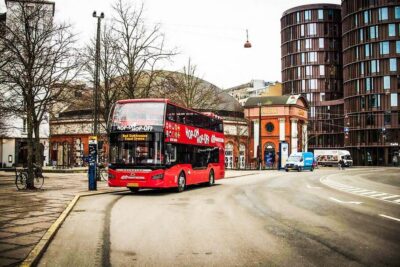
Hop-On Hop-Off Bus Tour with Boat Tour Option
Read our review →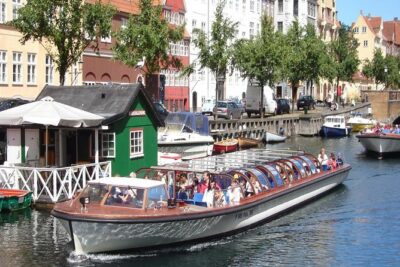
Copenhagen Sightseeing Classic Canal Tour With Live Guide
Read our review →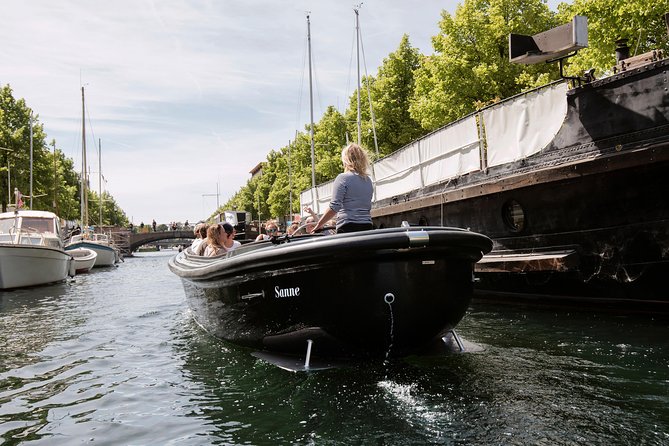
Social Sailing – Copenhagen Canal Tour – Captain’s Favorite
Read our review →

Walk & Canal Tour: Copenhagen Highlights + Changing of the Guards
Read our review →
Browse the lists this tour appears in