
Reviewed · WALKING TOURS
Copenhagen: Guided Walking Tour in French
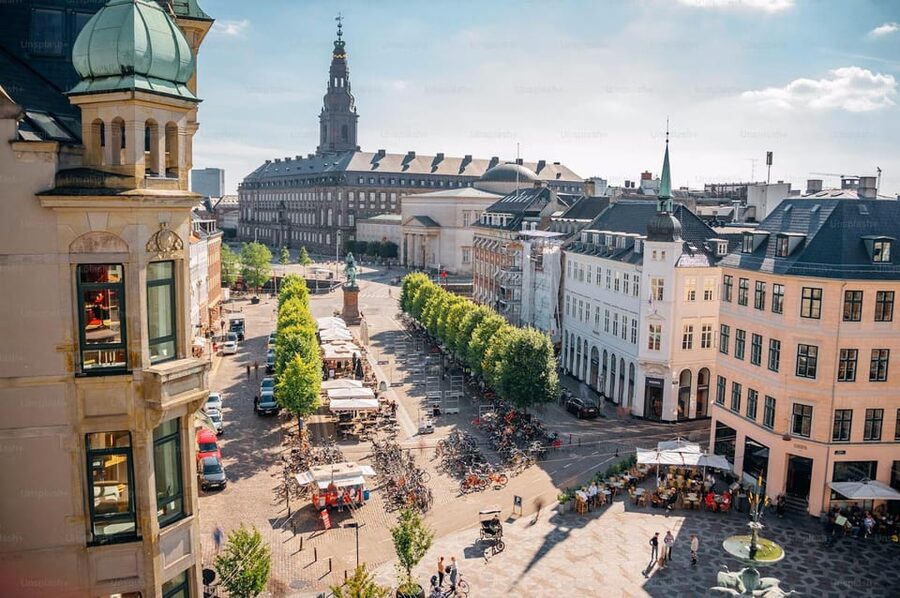
Copenhagen rewards curious walkers. This 3.5-hour French-language tour links the city’s major sights with local views on Danish life, history, modern architecture, and urban change. I like the small group capped at 14 people, which should make it easier to hear the guide and ask questions. I also like the route’s broad sweep, from Tivoli and City Hall to Nyhavn, Amalienborg, and Kastellet.
The main consideration is simple: you need to be comfortable walking for most of a half day. The tour is wheelchair accessible, but the route covers many stops, and it is conducted only in French. If you prefer English, this is not the right fit. If French is your language, the format offers a more natural way to ask about daily life in Denmark.
Hamid receives special praise for his clear command of Copenhagen’s past and the organization of Danish life today. The tour has no minimum group size, so it is not canceled just because only a few people book. Children under 13 join free, and teenagers receive 40 percent off the regular price.
In This Review
- Key points about this Copenhagen walking tour
- Starting across from Tivoli Gardens
- From City Hall to Christiansborg Palace
- Stock Exchange, Church of Holmen, and King’s New Square
- Nyhavn and the waterfront walk
- Amalienborg Palace and royal Copenhagen
- Gefion Fountain and Kastellet
- What the French guide adds
- Group size, families, and access
- Is $67 a fair price?
- Who should book this walk?
- Should you book the Copenhagen French walking tour?
- FAQ
- How long does the Copenhagen walking tour last?
- What language is the tour conducted in?
- Where does the tour begin?
- How will I recognize the guide?
- How many people can join the tour?
- Do children receive a discount?
- Is the tour wheelchair accessible?
- Can I cancel the booking?
Key points about this Copenhagen walking tour
- French-only guiding: The entire tour is conducted in French, with a fluent local guide.
- A 14-person maximum: The small-group cap keeps the walk more personal than a large city tour.
- A long central Copenhagen route: You pass Tivoli, City Hall, Christiansborg, Nyhavn, Amalienborg, the Gefion Fountain, and Kastellet.
- A useful look at modern Denmark: The tour covers daily life, architecture, social developments, and urban planning as well as old landmarks.
- Good family pricing: Children under 13 join free, while teenagers get 40 percent off.
- Flexible scheduling: The advertised duration is 3.5 hours, and another start time may be possible if the listed schedule does not work.
Starting across from Tivoli Gardens
Your meeting point is the Copenhagen Visitor Service inside the Axelborg building at Vesterbrogade 4B. It is directly across from Tivoli Gardens’ main entrance and beside the SAS Radisson Collection Hotel, so the location is fairly easy to find once you are in central Copenhagen.
Look for a guide wearing a distinctive hat or cap. If the Visitor Service is open, the guide waits inside. If it is closed, the guide waits just outside. That small detail matters in a city where a busy plaza can make a first meeting less obvious than expected.
The tour begins near Tivoli, one of Copenhagen’s best-known landmarks. You pass by rather than enter, so do not expect amusement park rides or an indoor visit. Instead, the opening stop helps place you in the center of the city before the walk moves toward government buildings, canals, palaces, and waterfront sights.
The route lasts about 3.5 hours. That is long enough to cover a lot of ground, but not long enough for a full interior visit at every major building. Think of this as an orientation walk with a strong cultural focus, not a series of museum admissions.
More walking tours in Copenhagen:
- Private Walking Grand Tour of Copenhagen
★ 5.0 · 3,953 reviews - Copenhagen Highlights Walking Tour
★ 5.0 · 2,324 reviews - Politically Incorrect Private Highlights Walking Tour
★ 5.0 · 1,244 reviews
From City Hall to Christiansborg Palace
After passing Tivoli, the tour pauses for sightseeing at Copenhagen City Hall. This is a useful early stop because it introduces the civic center of the city. Your guide can place Copenhagen’s development in context here, including the way the city functions today.
The experience is not just a list of old buildings. The tour also covers Danish society, city organization, modern architecture, and social developments. I like that wider frame because it helps you understand Copenhagen as a living capital rather than a pretty backdrop for photographs.
You then walk to Christiansborg Palace. This is one of the route’s strongest historical stops, even though the activity does not include a separate palace tour or interior ticket. The building gives the guide a natural setting for discussing Denmark’s political and royal past.
Expect the guide to explain the importance of the site while you view it from the outside. That arrangement keeps the pace moving, but it also means you should not book this walk if your main goal is a detailed palace interior visit.
Stock Exchange, Church of Holmen, and King’s New Square
The next section moves through several central landmarks. You see the Copenhagen Stock Exchange and the Church of Holmen, then pass by King’s New Square. These stops add variety to the walk, shifting the focus from royal and civic buildings to commercial, religious, and public spaces.
This is where a good guide makes a real difference. A bare sightseeing route can turn into a blur of names and facades. A French-speaking guide who explains how these places connect to Copenhagen’s past and present can make the walk much easier to follow.
The group size helps here. With no more than 14 participants, you should have a better chance of staying close to the guide in busy areas. You can also ask about subjects that interest you, such as Danish public life, city planning, or the balance between old buildings and newer design.
There is no promise of extended time at each stop, so keep your expectations realistic. You will see and discuss many sites, but the value comes from the links between them rather than from long, private visits at individual landmarks.
Nyhavn and the waterfront walk
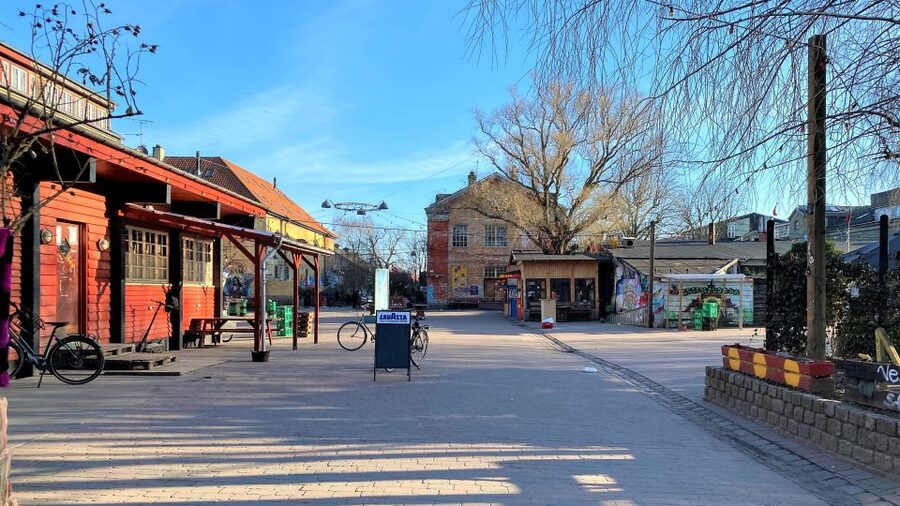
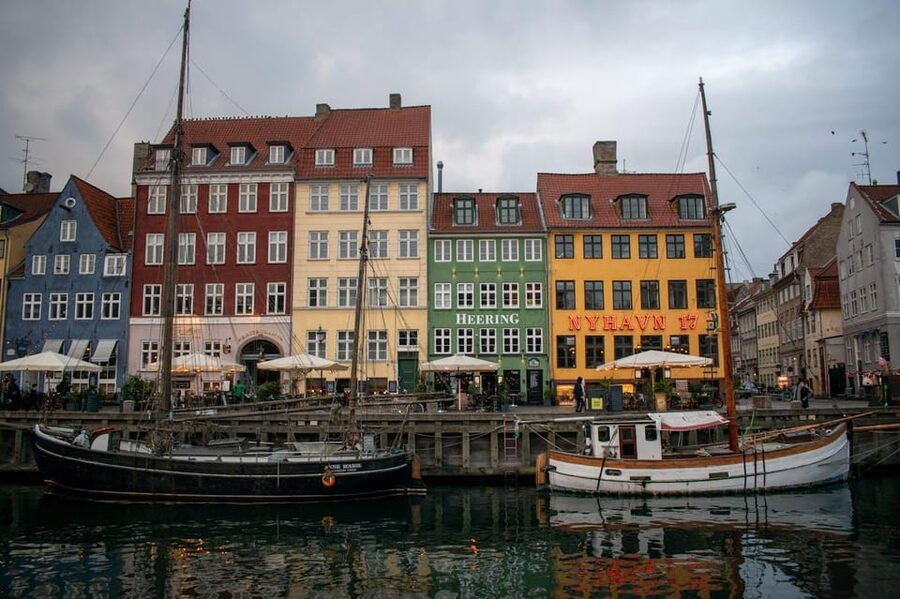
The route reaches Nyhavn, where you walk rather than simply pass by. This is one of the most recognizable parts of Copenhagen, and it gives the tour a more open, visual break after the central civic and royal sights.
Nyhavn is also a good place to think about the difference between seeing a landmark and understanding its place in the city. You will have time to take in the waterfront setting while the guide continues the wider story of Copenhagen.
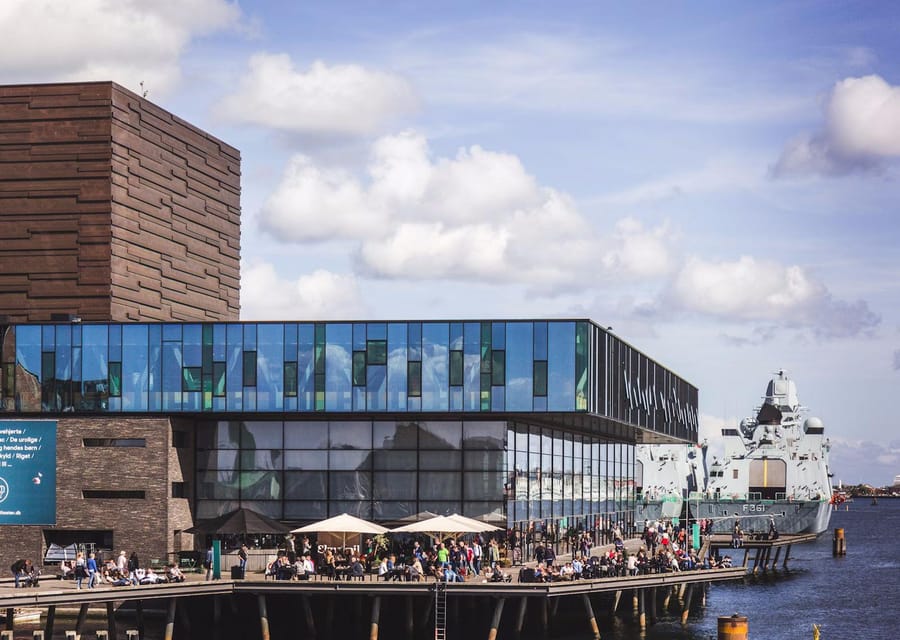
Next comes The Playhouse, Copenhagen, a modern cultural landmark on the waterfront. Its inclusion fits the tour’s promise to cover current architecture and the city’s changing public spaces. You are not attending a performance, but the stop gives the walk a clear present-day contrast with Christiansborg and Amalienborg.
I appreciate this mix. A city tour that only focuses on palaces can leave you with a frozen picture of Copenhagen. This route makes room for modern buildings and newer urban ideas, helping you see how the city keeps changing.
A few more options to weigh up in Copenhagen
- Copenhagen: Canal Cruise with Guide
★ 4.6 · 9,115 reviews - Copenhagen: Highlights 3 Hour Bike Tour with a Local Guide
★ 4.8 · 2,312 reviews - Copenhagen Sightseeing Classic Canal Tour With Live Guide
★ 4.5 · 1,906 reviews - Copenhagen: Guided Canal Tour by Electric Boat
★ 4.8 · 1,341 reviews
Amalienborg Palace and royal Copenhagen
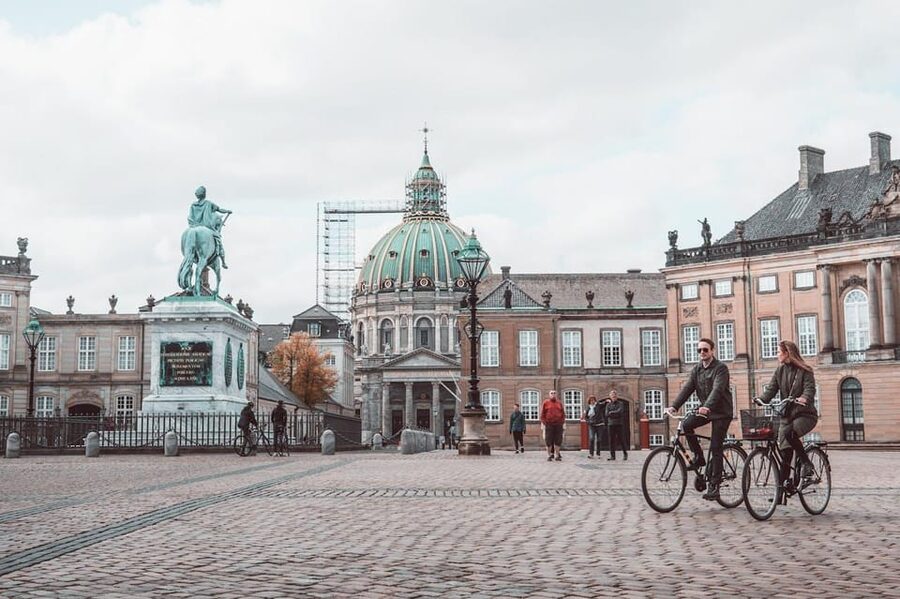
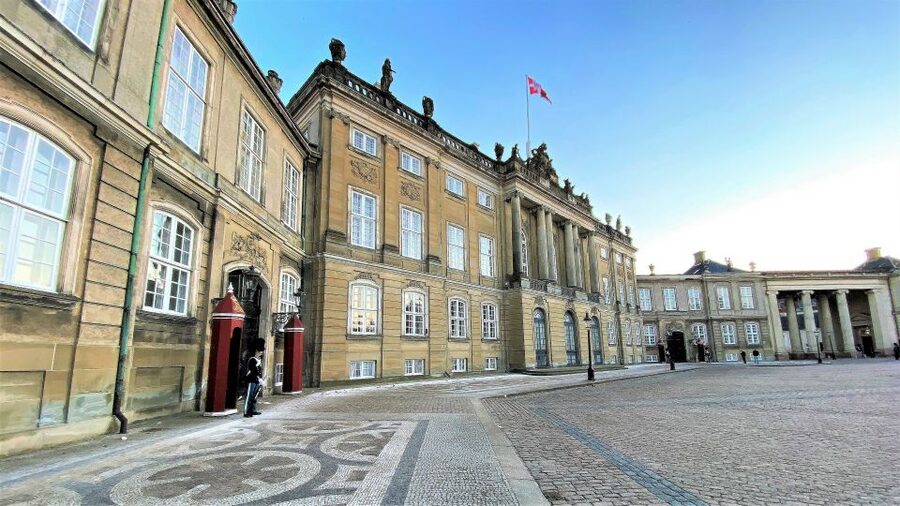
At Amalienborg Palace, you stop for sightseeing. Like Christiansborg, this is an exterior-focused visit rather than an included palace admission. The guide can explain the site’s role in Copenhagen’s royal setting while you take in the surrounding square and buildings.
This is an important distinction when judging the $67 price. You are paying for a guided walk and interpretation, not entry to Tivoli, Christiansborg, Amalienborg, or the other sights. If you want a full day of paid attractions, you will need to budget separately.
For me, the value lies in the amount of ground covered and the ability to ask questions in French. A solo walk can take you past the same buildings, but it cannot respond to your interests or explain the city’s social and urban changes as you go.
The guide’s role is especially useful for anyone visiting Copenhagen for the first time. You get a broad map of the central sights, which can help you decide where to return later for more time.
Gefion Fountain and Kastellet
The route continues to the Gefion Fountain, another sightseeing stop, then to Kastellet. This section takes you farther from the starting point and adds a more open, historic setting to the day.
Kastellet is listed as a sightseeing stop rather than a full guided admission experience. You should expect to walk through or around the area with commentary, rather than spend a long period exploring every part on your own.
The route finishes at the Iver Huitfeldt Memorial. There is one practical point to clarify before you go: the route description identifies the memorial as the finish, while the activity details also say the experience ends back at the meeting point. Ask the guide or organizer to confirm the exact end arrangement, especially if you have a restaurant booking, museum entry, or train to catch.
That clarification is worth making because this is a one-way-looking route on paper. Even if the activity returns you to the original meeting point, allow extra time after the stated 3.5 hours.
What the French guide adds
This is not simply a French translation of a standard sightseeing script. The tour is designed around Copenhagen’s history, culture, Danish daily life, modern architecture, and social organization.
The strongest praise centers on the guide’s command of both historical material and the way Denmark is organized today. Hamid is singled out as friendly, clear, and highly prepared. That combination matters because a walking tour can become dry when it focuses only on dates and rulers.
I like the promise of practical cultural context. You are not just shown a palace and told its name. You can ask how Danish society works, how the city has developed, and how older landmarks fit beside newer public spaces.
The French-only format is both the attraction and the limit. French speakers get a direct, comfortable way to discuss complicated subjects without switching languages. Non-French speakers should choose another tour.
Group size, families, and access
The maximum group size is 14. That is small enough to feel more personal than a coach tour, while still allowing the tour to operate even if only a few people book. There is no minimum group size, so insufficient bookings do not automatically cancel the walk.
Families get a helpful price break. Children under 13 can join free, and teenagers receive a 40 percent discount on regular prices. The long duration may suit older children and teens better than very young children, but the child policy makes it easier to consider.
The activity is wheelchair accessible. Because the route runs for 3.5 hours and includes many outdoor stops, you should still contact the organizer if you have specific mobility needs or want to confirm the exact route conditions.
The tour is conducted by a fluent French-speaking guide. If the available start time does not fit your plans, you can contact the organizer to ask about another time based on guide availability.
Is $67 a fair price?

At $67 per person, this is not the cheapest way to walk around Copenhagen. You can see many of these landmarks independently at no charge. The price makes more sense if you value explanation, a planned route, French-language guiding, and the chance to ask questions in a small group.
The tour covers a lot in 3.5 hours: Tivoli, City Hall, Christiansborg Palace, the Stock Exchange, Church of Holmen, King’s New Square, Nyhavn, The Playhouse, Amalienborg Palace, the Gefion Fountain, Kastellet, and the Iver Huitfeldt Memorial.
You are not paying for entrance tickets, food, or transport. That keeps the comparison clear. If you would otherwise spend time researching each area and navigating between them, the guide can save effort and give the sights a common thread.
The value is strongest for a first visit, a short stay, or a French-speaking family that wants a broad introduction. It is less attractive if you already know Copenhagen well or prefer to explore slowly with long interior visits.
The flexible booking terms help reduce the risk. You can reserve and pay later, and cancellation is free up to 24 hours before the activity for a full refund.
Who should book this walk?
I would recommend it to French-speaking visitors who want a city overview with more substance than a quick photo stop. It should suit couples, families with older children, and solo visitors who like asking questions while they walk.
It is also a good first-day activity if you want to understand the shape of central Copenhagen before choosing which palaces, museums, or neighborhoods to visit in greater detail.
I would be more cautious if you dislike long walks, need extensive time inside each attraction, or want a tour in English. The schedule covers many landmarks, and some are pass-by or outside sightseeing stops.
If Hamid is your guide, you can reasonably expect a warm, well-prepared presentation based on the strongest feedback connected with this experience. Still, guide assignments can vary, so book for the route and French format first, not for a guaranteed personality.
Should you book the Copenhagen French walking tour?
Book it if you want a French-language introduction to Copenhagen that combines famous sights with an explanation of Danish life and city development. The 14-person cap, child discounts, no minimum group requirement, and broad central route make it practical for many visitors.
Skip it if you want attraction interiors, a slower pace, or a language other than French. For the right audience, $67 buys a useful three-and-a-half-hour orientation, a clear route through Copenhagen’s major sights, and the chance to understand more than just what each building is called.
FAQ
How long does the Copenhagen walking tour last?
The tour lasts 3.5 hours. Starting times vary, so check availability when booking.
What language is the tour conducted in?
The tour is conducted exclusively in French with a fluent French-speaking guide.
Where does the tour begin?
It begins at the Copenhagen Visitor Service in the Axelborg building at Vesterbrogade 4B, directly across from Tivoli Gardens’ main entrance and next to the SAS Radisson Collection Hotel.
How will I recognize the guide?
The guide wears a distinctive hat or cap. If the Visitor Service is open, the guide waits inside. If it is closed, the guide waits just outside.
How many people can join the tour?
The tour is limited to a maximum of 14 participants.
Do children receive a discount?
Children under 13 years old can join free of charge. Teenagers receive a 40 percent discount on regular prices.
Is the tour wheelchair accessible?
Yes, the activity is listed as wheelchair accessible.
Can I cancel the booking?
Yes. You can cancel up to 24 hours in advance for a full refund. You can also reserve now and pay later.
Just added in Copenhagen
- WWII Copenhagen Nyhavn and War Museum Private Walking Tour★ 5.0 · 2 reviews
- a day at North Zealand Castle Tour★ 4.5 · 19 reviews
- Copenhagen Walking Tour with Food Testing (smorrebrod dish & snap)★ 4.5 · 10 reviews
- World-class street football experience in Copenhagen★ 5.0 · 1 review
- walking tour – Copenhagen and Christiansborg 3 hours★ 4.0 · 7 reviews
- Stevns Klint UNESCO World Heritage Site Tour from Copenhagen★ 5.0 · 1 review
- The Philosopher’s Last Walk: An audio tour on the life of Søren Kierkegaard★ 4.5 · 5 reviews
- The Six Forgotten Giants Trolls Hunt with Minibus★ 4.5 · 27 reviews
Walking Tours, compared.
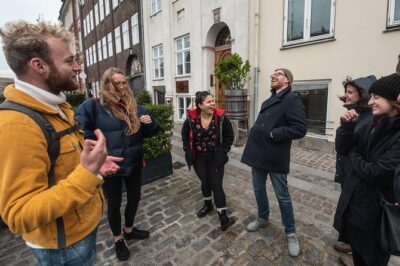
Politically Incorrect Private Highlights Walking Tour
Read our review →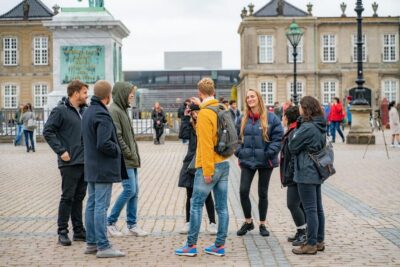
Group Walking Tour – City Highlights – 2 Hours
Read our review →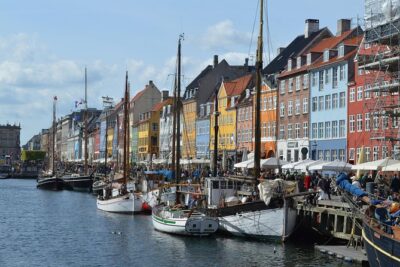
3h walking tour, small group max 10 people Copenhagen
Read our review →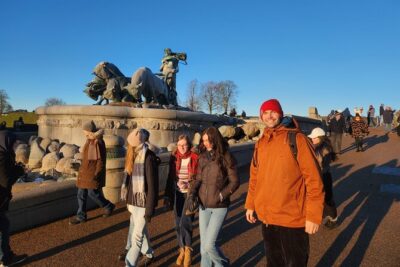
Walk & Canal Tour: Copenhagen Highlights + Changing of the Guards
Read our review →
Browse the lists this tour appears in