
Reviewed · MUSEUMS
Copenhagen: Danish War Museum Entry Ticket
History gets physical here. The Danish War Museum fills a former arsenal with armor, weapons, military vehicles, personal objects, and stories stretching from the 1500s to the war in Afghanistan. I especially like the 163-meter first-floor hall, said to be the longest room in the Nordic countries, and the mix of serious history with odd, memorable objects such as a bone ship model and a 150-year-old biscuit.
I also like that the museum connects Denmark’s older wars with questions you still hear today. The new drone exhibition asks how unmanned weapons change modern warfare, while the Afghanistan displays show the risks faced by Danish troops. The main drawback is practical: there is currently no elevator to the first-floor exhibitions, so visitors with mobility limits may not be able to see the entire museum.
For $20, you get a full day of admission, which is good value if you take time with the displays. This is not a quick room of uniforms and swords. The museum rewards curiosity, and its historic building gives the visit a strong sense of place.
In This Review
- Key points to know before you go
- Entering the 1604 Tøjhus arsenal
- The long first-floor hall
- Danish knights, Swedish wars, and conflict with England
- Odd objects that make the past memorable
- Hammocks and stories from the seven seas
- From World War II to the Cold War
- Afghanistan and the cost of modern war
- The drone exhibition and the future of warfare
- Is the $20 ticket good value?
- Who will enjoy the Danish War Museum?
- Should you book this museum ticket?
- FAQ
- Where is the Danish War Museum located?
- How much does admission cost?
- How long is the ticket valid?
- What period does the museum cover?
- What is special about the first-floor hall?
- Can I see armor at the museum?
- Does the museum cover World War II and the Cold War?
- Is there an exhibition about drones?
- Can I bring a wheelchair or baby carriage?
- Can I cancel my ticket for a refund?
Key points to know before you go
- A 163-meter historic hall: The first-floor room is the museum’s grandest space and is described as the longest room in the Nordic countries.
- Five centuries of conflict: Displays cover Danish military history from the 1500s through World War II, the Cold War, and the war in Afghanistan.
- Armor, weapons, and unusual objects: Look for Danish knights’ armor, a bone ship model, a very old biscuit, and the only complete uniform known from the American Civil War.
- Modern warfare gets attention: A new exhibition examines how drones are changing battlefields and military planning.
- A hammock with sea stories: You can sit back and listen to Danish stories connected with the seven seas.
- A useful accessibility warning: You may bring your own wheelchair or baby carriage, but there is no elevator to the first floor.
Entering the 1604 Tøjhus arsenal
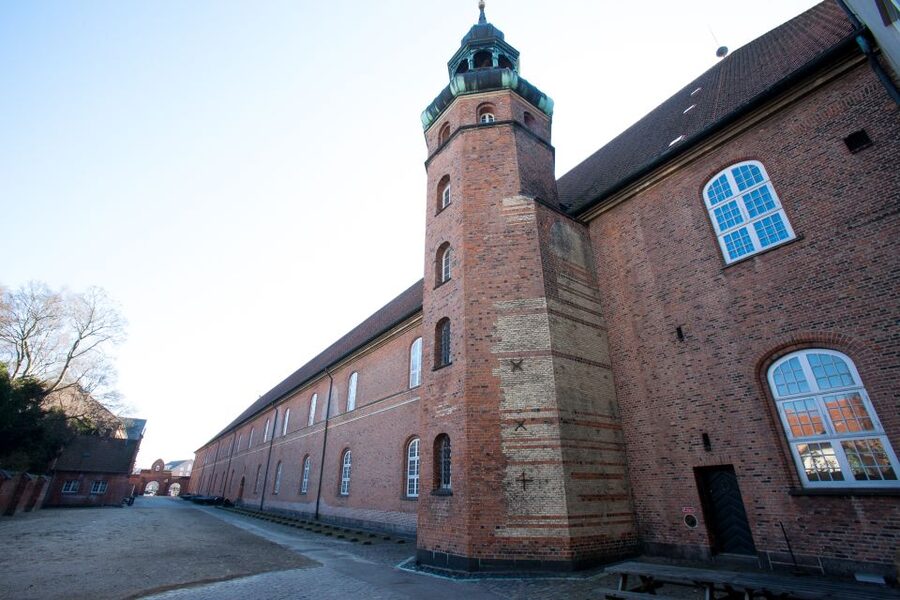
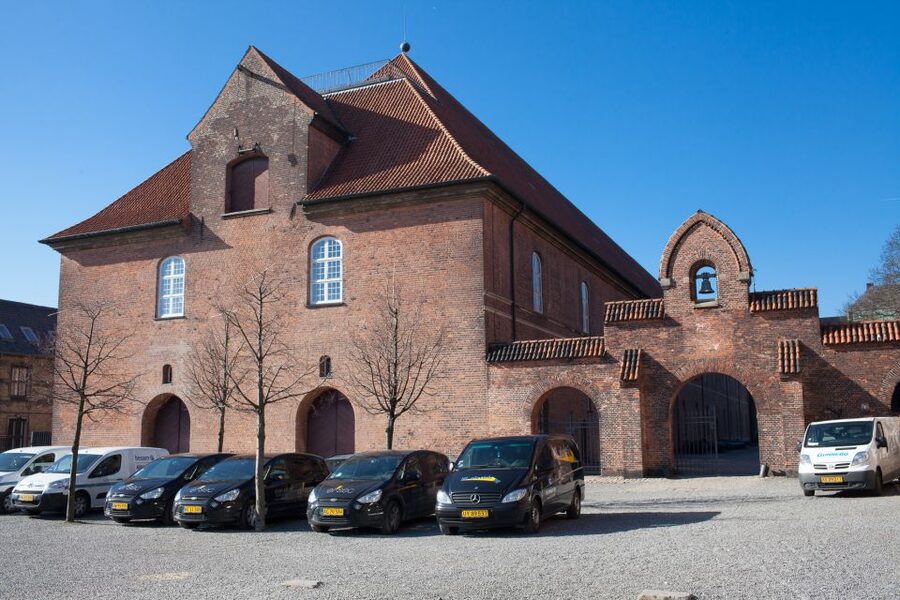
The museum occupies the historic Tøjhus, an arsenal built by Christian IV in 1604. That setting matters. You are not walking into a modern gallery that happens to contain weapons. You are entering a building created for military storage, where the architecture helps explain why the collection is here.
The building gives the museum a practical, workmanlike character. Its original purpose was tied to Denmark’s defense, so the displays feel connected to the place rather than simply arranged in a neutral exhibition hall. I find that kind of setting helps military history make sense before you have read a single label.
Your ticket is valid for one day, so you do not need to rush through the collection. The museum is suited to a slow visit, especially if you want to read about the changing role of Denmark’s armed forces instead of only looking at the largest objects.
The information provided does not specify a guided tour, group size, or set route. You should plan this as a self-paced museum visit, with the freedom to spend more time on the periods that interest you most.
More museums in Copenhagen:
- Copenhagen: National Museum of Denmark Entry Ticket
★ 4.5 · 960 reviews - Copenhagen: Amalienborg Palace Museum Entry Ticket
★ 4.3 · 291 reviews - Exhibition – Home of Carlsberg
★ 4.5 · 281 reviews
The long first-floor hall
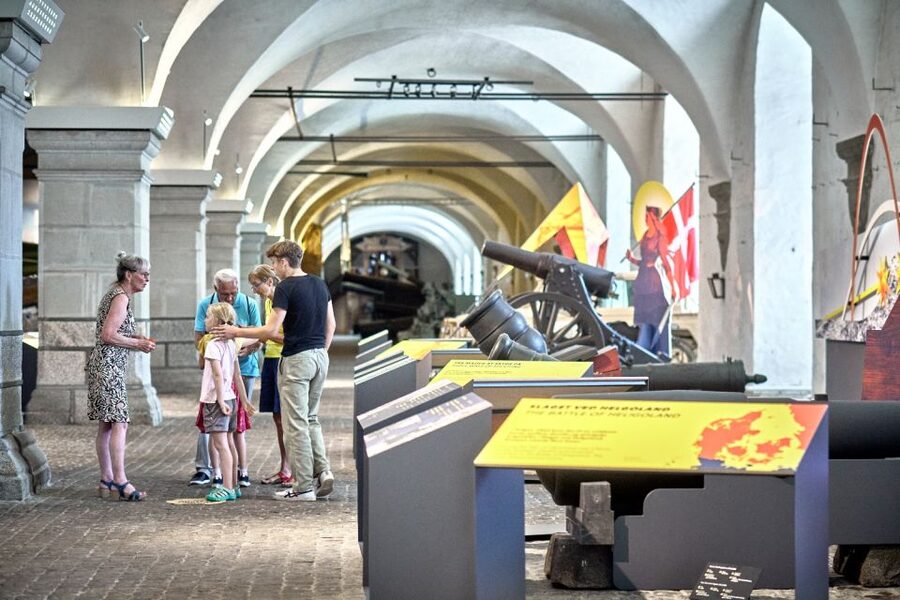
The first-floor hall is the museum’s signature space. At 163 meters, it gives you a rare sense of scale. Rather than moving through a series of small rooms, you can follow a long chronological sweep through Denmark’s military past.
The length also changes how you view the collection. Armor, weapons, uniforms, and larger military objects have room to breathe. You can step back and compare equipment from different eras, noticing how warfare shifted from hand-to-hand combat toward firearms, vehicles, and advanced systems.
The first-floor location is important for planning. There is currently no elevator to reach these exhibitions. You may bring your own wheelchair or baby carriage, but the lack of lift access means some visitors will not be able to visit everything. If that affects your party, contact the museum before paying so you know what portion of the collection is accessible to you.
For visitors who can use the stairs, the hall is likely to be the visual center of the visit. Give it time. A fast walk from one end to the other will not tell you much, while a slower passage lets you see how military technology and national priorities changed over several centuries.
Danish knights, Swedish wars, and conflict with England
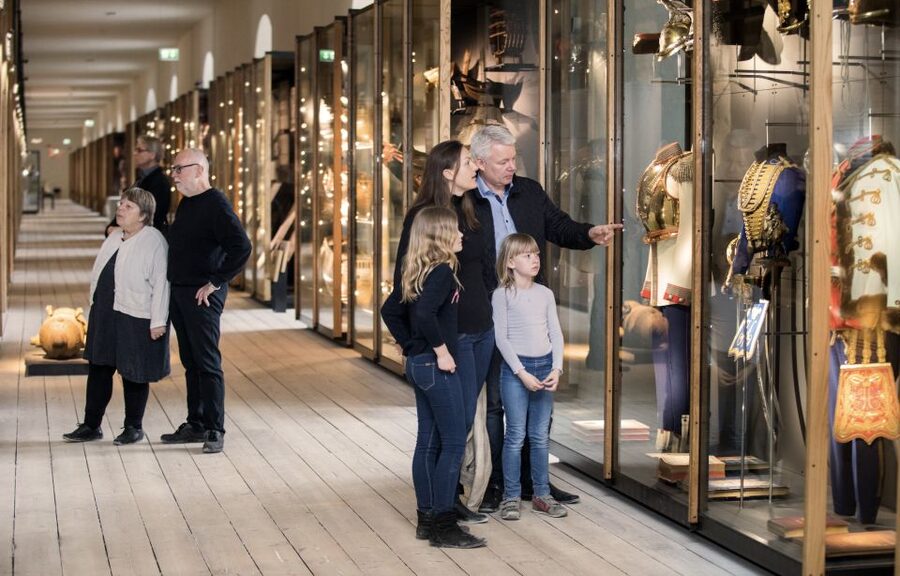
The early displays bring military history down to the level of objects. You can see the shining armor used by Danish knights and examine weapons associated with earlier periods of warfare. These pieces are not only decorative. They show how much protection, status, and practical fighting ability could be built into a single suit of armor.
The museum also covers Denmark’s 17th-century war with Sweden. This period helps place Denmark within the fierce power struggles of northern Europe. You do not need to arrive with a detailed knowledge of Scandinavian history. The collection provides a way to understand conflict through the equipment and objects left behind.
The 19th-century conflict with England adds another turn in the story. Together, these displays show that Denmark’s military past was shaped by pressure from nearby powers as well as by larger European events. I like this broad approach because it avoids presenting history as a list of battles alone.
Pay attention to the contrast between the armor and later military material. The shift is easy to grasp when you see the objects side by side. What began with protective metal and hand-held weapons eventually led to vehicles, communications systems, and remote-controlled technology.
Odd objects that make the past memorable
Military museums can become a blur of rifles, uniforms, and dates. The Danish War Museum breaks that pattern with objects that are difficult to forget.
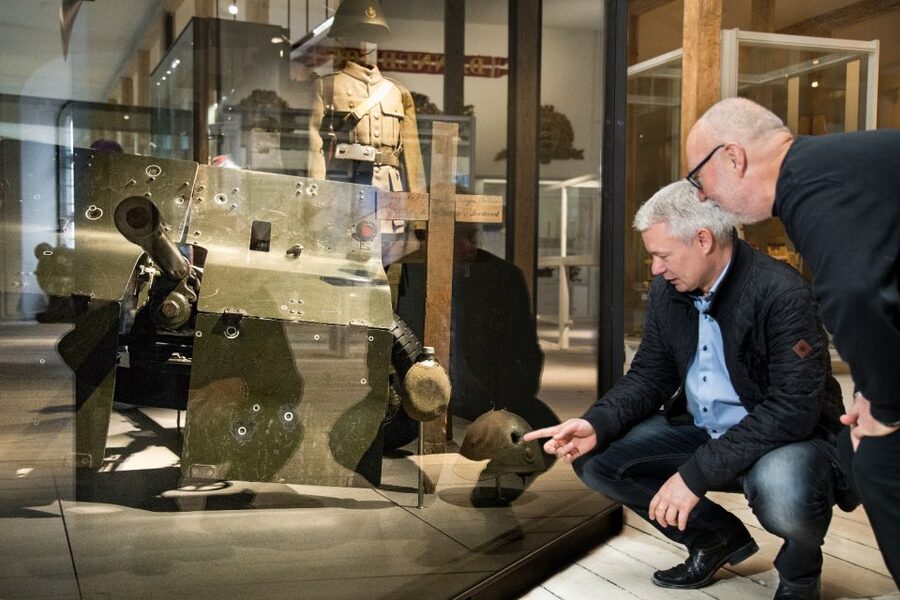
One is a ship model made of bones. Another is a 150-year-old biscuit. These may sound like minor curiosities, but they give the collection a human edge. A bone model suggests patience and craft under unusual conditions. An old biscuit raises questions about food, storage, and daily life connected with military service.
The museum also has the world’s only complete example of a uniform from the American Civil War. That is a striking item in a Danish collection, and it broadens the museum beyond strictly national material. It also gives you a reason to look closely at clothing, not just weapons. A uniform can reveal rank, identity, climate, and the practical demands of service.
I would make a point of seeking out these unusual objects rather than spending all your time with the largest displays. They are often the pieces that help you remember the visit after the dates and terminology have faded.
A few more options to weigh up in Copenhagen
- Copenhagen: Home of Carlsberg Experience Entry Ticket
★ 4.7 · 1,009 reviews - Copenhagen: Copenhagen Zoo Entry Ticket
★ 4.6 · 708 reviews - Copenhagen Bus and Boat ticket, Valid 48 Hours
★ 4.0 · 565 reviews - Copenhagen: Rosenborg Castle Entry Ticket
★ 4.6 · 381 reviews
Hammocks and stories from the seven seas
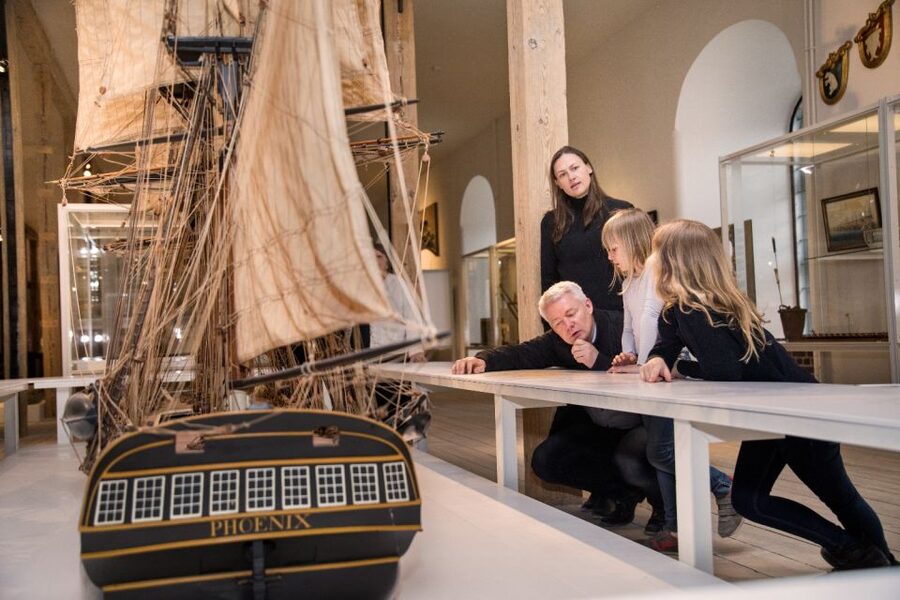
The hammock area offers a welcome change of pace. You can sit back and listen to Danish stories from the seven seas, shifting the focus from battle equipment to maritime experience and storytelling.
This sounds especially useful if you are visiting with children or with someone who does not want a long, uninterrupted march through military displays. The hammock creates a pause without asking you to leave the subject behind. It also reflects Denmark’s connection to the sea and the way military and maritime stories often overlap.
The available information does not specify how long the recordings are or which languages are offered. If language access matters to you, check with the museum before visiting. Still, the concept adds variety to the day and keeps the experience from feeling like a single long sequence of cases and labels.
From World War II to the Cold War
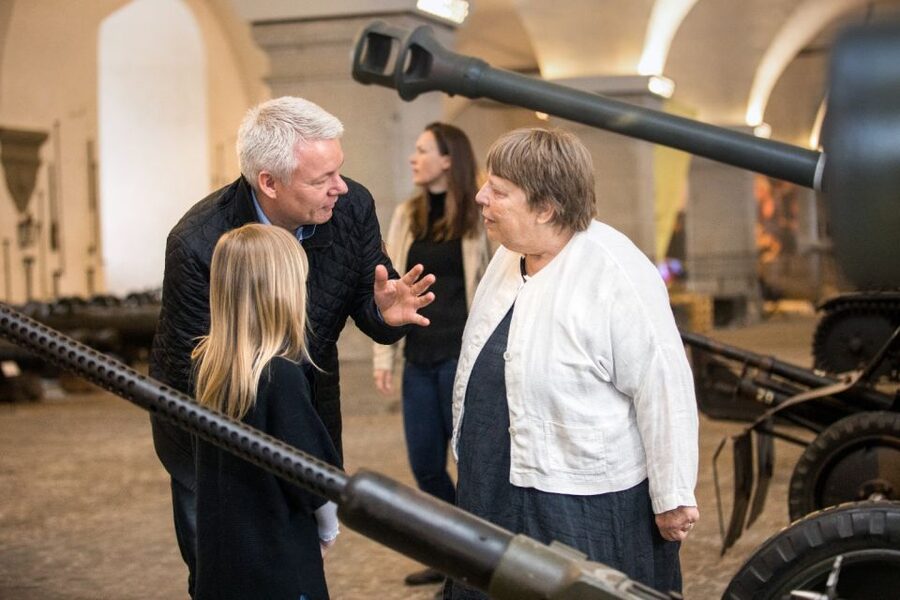
The museum brings the story into the 20th century with displays on World War II and the Cold War. These sections matter because they show how military events affected Denmark not only through direct fighting, but also through fear, preparation, alliances, and changing ideas about national security.
The Cold War section should help you see how the threat of conflict could shape everyday thinking even when no open battle took place. World War II, by contrast, places Denmark within one of the defining conflicts of modern history.
The supplied details do not identify individual objects or exact room layouts for these sections, so I would approach them as part of the museum’s wider chronological story. If you are most interested in modern history, allow extra time after the early armor and weapons. The later displays connect more directly with political questions still discussed today.
Afghanistan and the cost of modern war
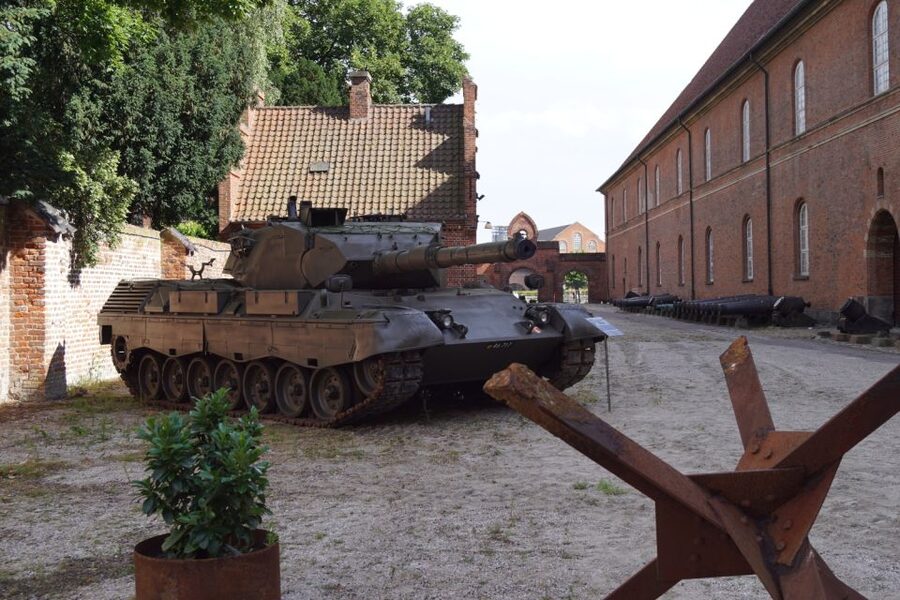
The Afghanistan material gives the museum a more recent and personal focus. One of the most powerful objects is a military car that ran over a roadside bomb, with everyone inside surviving. The vehicle makes the danger of service tangible in a way that a written account cannot.
This is also where the museum’s approach becomes less distant. Armor from several centuries ago can feel remote, but a damaged military vehicle points to people, equipment, and decisions from the recent past. It reminds you that military technology is designed around real threats, and that survival can depend on a vehicle’s construction and the actions of those inside it.
The war in Afghanistan is presented as part of Denmark’s 21st-century conflicts. You can use this section to think about how Denmark’s military role changed from older territorial wars to international operations far from home.
The information available does not provide a detailed timeline of the Afghanistan displays, so I would not expect a full account of every operation. What you can expect is a focused connection between Danish military service and the risks of roadside bombs, vehicles, and modern deployment.
The drone exhibition and the future of warfare
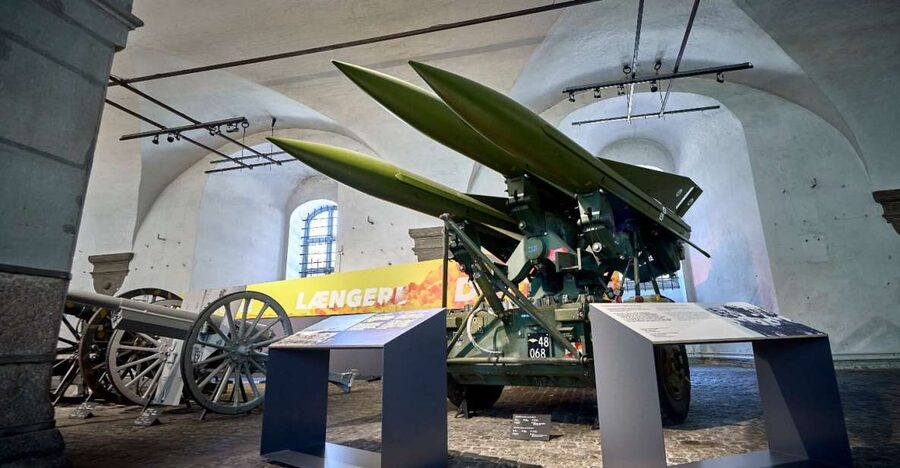
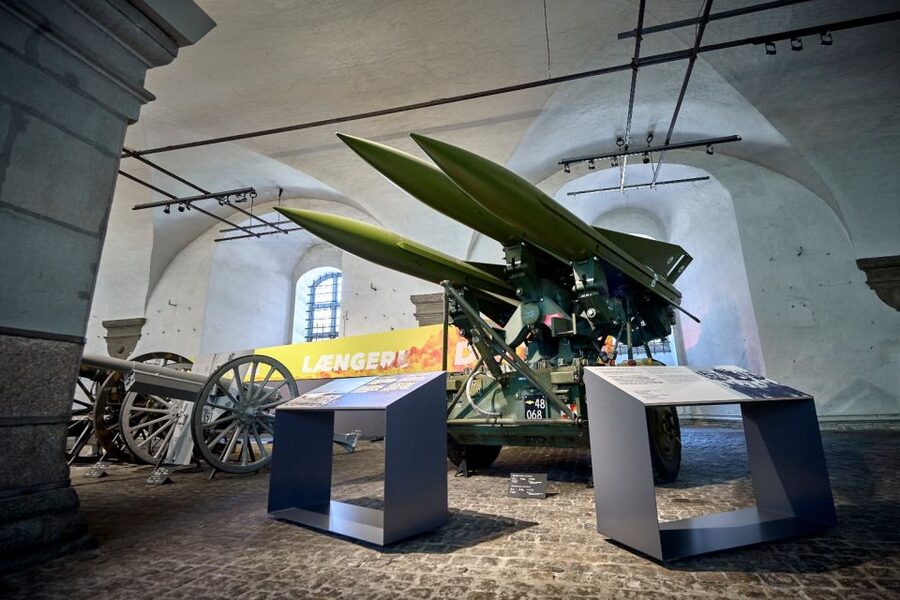
The museum’s new spot exhibition asks a direct question: have drones changed the way we wage war? It is one of the most current subjects in the collection.
The exhibition looks at what drones mean for present-day wars and how they could affect future battlefields. It addresses the use of drones in Ukraine and other conflicts, along with the videos of drone attacks that circulate through social media.
The subject is not treated as a simple technology story. Drones use cameras and sensors to monitor areas, and they can carry weapons. That creates fear for soldiers and civilians because surveillance and attack can reach places that once felt safer. The exhibition also raises the difficult question of whether future drones could operate as independent killing machines.
Another practical issue concerns defense. Can the systems available to the Danish military stop a drone attack? That question gives the display a national focus while also pointing to a wider problem faced by armed forces around the world.
I like this addition because it links the museum’s oldest objects to present concerns. The armor of a medieval knight and a modern drone may seem unrelated, but both reflect the same basic military goal: gain protection, information, and power over an opponent. The methods have changed. The human consequences have not.
Is the $20 ticket good value?
At $20 per person, the ticket is fairly priced for a museum that can occupy a full day. You receive admission for one day, and the collection covers several centuries rather than one narrow conflict.
The value is strongest for visitors who enjoy reading, comparing objects, and following a broad story. If you only want to see a few famous weapons, you may feel the ticket is less worthwhile. The museum’s strength is its range, from armor and old wars to the Cold War, Afghanistan, and drones.
The unusual objects also help justify the cost. A bone ship model, a 150-year-old biscuit, and a complete American Civil War uniform give you details you are unlikely to find in a standard account of Danish history.
You can also reserve now and pay later, which keeps your plans flexible. Free cancellation is available up to 24 hours before the visit for a full refund. The ticket is valid for one day, with availability and starting times shown when you check your date.
Who will enjoy the Danish War Museum?
I would recommend this museum to anyone interested in military history, Danish history, historic buildings, or modern warfare. It is also a good choice if you want an indoor cultural stop with enough material for a substantial visit.
Families may appreciate the range of objects and the hammock area, though the amount of reading may suit older children better. The dramatic vehicle and drone display can also give younger visitors a way into the subject.
The museum is less suitable if you have difficulty with stairs and need full access to every exhibition. You can bring your own wheelchair or baby carriage, but the missing elevator remains a major limitation.
It is also worth choosing another attraction if you dislike military subjects altogether. The museum does not soften the reality of war, and the modern sections address surveillance, bombing, fear, and death. That seriousness is part of its value, but it will not suit every mood.
Should you book this museum ticket?
Book it if you want more than a quick look at weapons. The Danish War Museum combines a remarkable arsenal building, a huge first-floor hall, unusual personal objects, and a clear route from medieval armor to drone warfare.
The best reason to go is the range. You can study Danish knights, consider the country’s wars with Sweden and England, pause with maritime stories, then move into World War II, the Cold War, Afghanistan, and current technology.
Skip it if stairs make the first floor impossible for you, or if you have only a few minutes in Copenhagen. For everyone else, $20 buys a thoughtful, varied museum visit with enough material to fill a day at your own pace.
FAQ
Where is the Danish War Museum located?
The museum is in the Zealand Region of Denmark, inside the historic Tøjhus arsenal building.
How much does admission cost?
The listed price is $20 per person.
How long is the ticket valid?
The museum ticket is valid for one day.
What period does the museum cover?
The exhibitions cover Danish military history from the 1500s to the present day, including the war in Afghanistan.
What is special about the first-floor hall?
The hall is 163 meters long and is described as the longest room in the Nordic countries.
Can I see armor at the museum?
Yes. The collection includes shining armor used by 15th-century Danish knights.
Does the museum cover World War II and the Cold War?
Yes. Both World War II and the Cold War are included in the exhibitions.
Is there an exhibition about drones?
Yes. A new spot exhibition examines how drones have changed warfare and how they may affect future battlefields.
Can I bring a wheelchair or baby carriage?
Yes. You may bring your own wheelchair or baby carriage. There is currently no elevator to the first-floor exhibitions.
Can I cancel my ticket for a refund?
Yes. You can cancel up to 24 hours in advance for a full refund. You can also reserve now and pay later.
Just added in Copenhagen
- WWII Copenhagen Nyhavn and War Museum Private Walking Tour★ 5.0 · 2 reviews
- a day at North Zealand Castle Tour★ 4.5 · 19 reviews
- Copenhagen Walking Tour with Food Testing (smorrebrod dish & snap)★ 4.5 · 10 reviews
- World-class street football experience in Copenhagen★ 5.0 · 1 review
- walking tour – Copenhagen and Christiansborg 3 hours★ 4.0 · 7 reviews
- Stevns Klint UNESCO World Heritage Site Tour from Copenhagen★ 5.0 · 1 review
- The Philosopher’s Last Walk: An audio tour on the life of Søren Kierkegaard★ 4.5 · 5 reviews
- The Six Forgotten Giants Trolls Hunt with Minibus★ 4.5 · 27 reviews
Museums, compared.




MACA Museum ‘Banksy & Street Art: The Early Years’ Art Exhibition
Read our review →
Jewish Walking Tour of Copenhagen and Danish Jewish Museum
Read our review →
Fast-Track Amalienborg Palace Museum Copenhagen Private Tour
Read our review →
E-biking Fredensborg & Kronborg (OPT Louisiana Museum)
Read our review →Browse the lists this tour appears in