Reviewed · TICKETS
Copenhagen: Danish Architecture Center Entrance Ticket
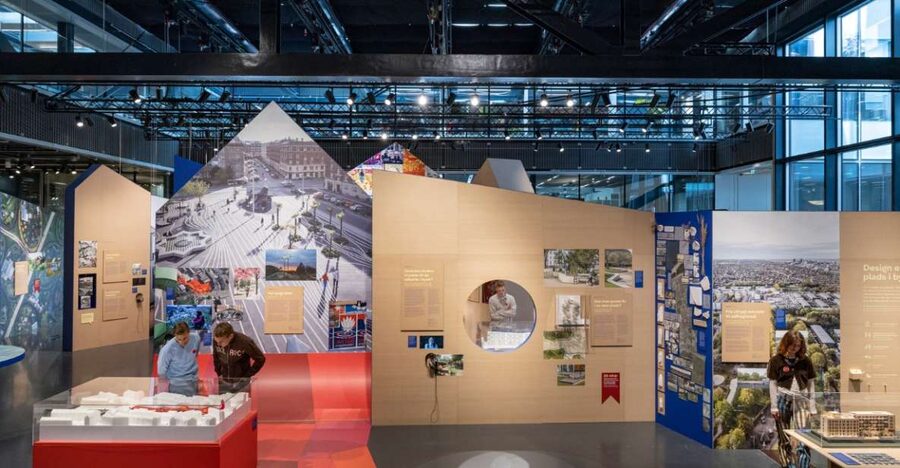
Architecture here is built for hands-on discovery. I like the changing exhibitions, which connect Danish design with daily life, and I like the 40-meter DAC Slide, a playful break from display cases. The main consideration is that the exact exhibits change, so the experience may vary depending on your date.
The Danish Architecture Center occupies the striking BLOX building beside Copenhagen’s harbor. You can trace Danish architecture from the Viking age to today, look across the historic city from the rooftop terrace, and see how buildings shape society. At $19 per person, it is a fair choice for curious first-time visitors, families, and anyone who wants more context for Copenhagen’s clean lines and practical design.
In This Review
- Key points to know before you go
- Why the Danish Architecture Center belongs on your Copenhagen list
- Arriving at BLOX on Copenhagen’s harbor
- Exploring the rotating exhibitions
- From the Viking age to modern Denmark
- The DAC Slide and the 40-meter change of pace
- Rooftop views over the harbor
- How much time should you allow?
- Is $19 a fair price?
- Who will enjoy DAC most?
- Practical booking advice for a smoother visit
- Should you book the Danish Architecture Center?
- FAQ
- Where is the Danish Architecture Center located?
- How do I enter the Danish Architecture Center?
- What does the ticket include?
- Is food included with admission?
- How long is the ticket valid?
- Is the Danish Architecture Center wheelchair accessible?
- What languages are available?
- Can I cancel for a refund?
Key points to know before you go
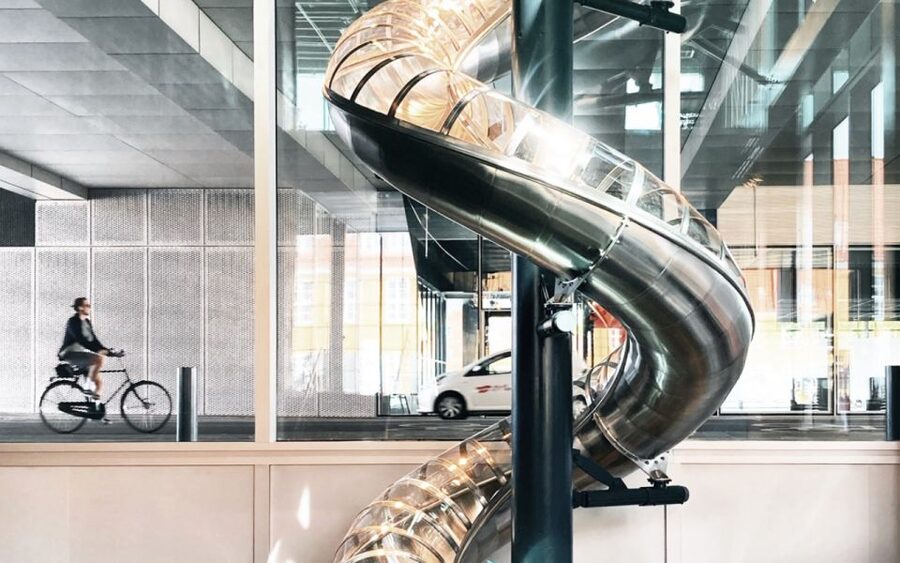
- The 40-meter slide adds a rare burst of fun to what could otherwise be a quiet museum visit.
- Rotating exhibits keep the experience fresh, but you should check what is showing on your date.
- The rooftop café and terrace offer harbor views toward the city, cycle bridges, and harbor baths.
- The displays cover Viking-era building traditions through modern Denmark, giving you a broad national story.
- The center is in BLOX, below ground at Bryghuspladsen, so follow the stairs or escalators down to the entrance.
- A one-day ticket includes all open exhibitions, the slide, and access to the rooftop café, but not food or drinks.
Why the Danish Architecture Center belongs on your Copenhagen list

Copenhagen is often admired for its buildings without much explanation. You see a clean facade, a clever bridge, or a cycle-friendly public space, then move on. DAC gives you a way to ask why the city looks and works as it does.
The center focuses on architecture as more than famous buildings. Its displays explore how design affects homes, public spaces, work, movement, and social life. That makes the visit useful even if you cannot tell a Danish modernist building from a regular apartment block.
I especially like the connection between function, art, and design. Danish architecture is often praised for looking simple, but simple does not mean effortless. The exhibits help you notice the decisions behind that calm appearance: how people use a space, how a building fits its setting, and how design can support everyday life.
The experience also gives you a wider view than a single architect or landmark museum. You can move from architecture associated with the Viking age to present-day ideas, then step outside and look at Copenhagen’s harbor as a living example of design in use.
A few more options to weigh up in Copenhagen
- Copenhagen: Home of Carlsberg Experience Entry Ticket
★ 4.7 · 1,009 reviews - Copenhagen: National Museum of Denmark Entry Ticket
★ 4.5 · 960 reviews - Copenhagen: Copenhagen Zoo Entry Ticket
★ 4.6 · 708 reviews
Arriving at BLOX on Copenhagen’s harbor
DAC is located in the BLOX building, directly on the waterfront in central Copenhagen. The building itself provides an immediate lesson in modern architecture, with its large, dramatic form set beside the harbor and historic city.
The entrance is below ground at Bryghuspladsen. You should not expect to walk straight into a street-level museum lobby. Look for the stairs or escalators leading down from the plaza, then follow the signs to the center.
That entrance arrangement matters if you are meeting someone or arriving in a hurry. Allow a few extra minutes to find the correct level, especially if you are navigating central Copenhagen for the first time. The activity both begins and ends at this same location, so you do not need to arrange separate transportation between parts of the experience.
DAC is wheelchair accessible. The stated languages are Danish and English, and the host or greeter service is available in those languages. The ticket is designed for independent exploration rather than a fixed walking route, which lets you spend more time with the displays that catch your attention.
Exploring the rotating exhibitions

The core of a DAC visit is the exhibition program. Instead of presenting one permanent collection in exactly the same way year after year, the center uses changing exhibitions to focus on different questions about architecture.
That format has two benefits. First, it gives repeat visitors a reason to return. Second, it allows you to see architecture from several angles. One exhibition may focus on social needs or city planning, while another may look more closely at design, building methods, or how people experience public space.
The changing format also creates the main uncertainty. The center does not promise one fixed set of displays for every date, so you should check the current program if a particular subject matters to you. If you simply want an introduction to Danish architecture and design, the range of topics is likely more important than seeing one specific exhibit.
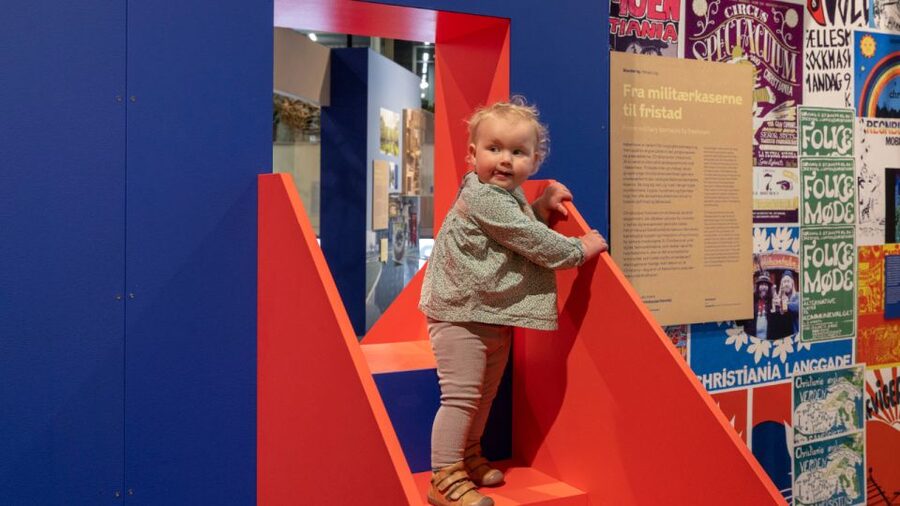
The displays are intended for adults, children, architecture enthusiasts, and people who are simply curious about the city. That broad audience is useful if you are visiting with family or with companions who have different interests. You can treat the center as a serious design museum, a practical introduction to Danish society, or a short indoor activity with a fun slide and a view.
I would give yourself enough unhurried time to read and think. Architecture exhibitions often reward attention more than speed. The point is not only to identify buildings, but to understand how built spaces frame your routines.
From the Viking age to modern Denmark
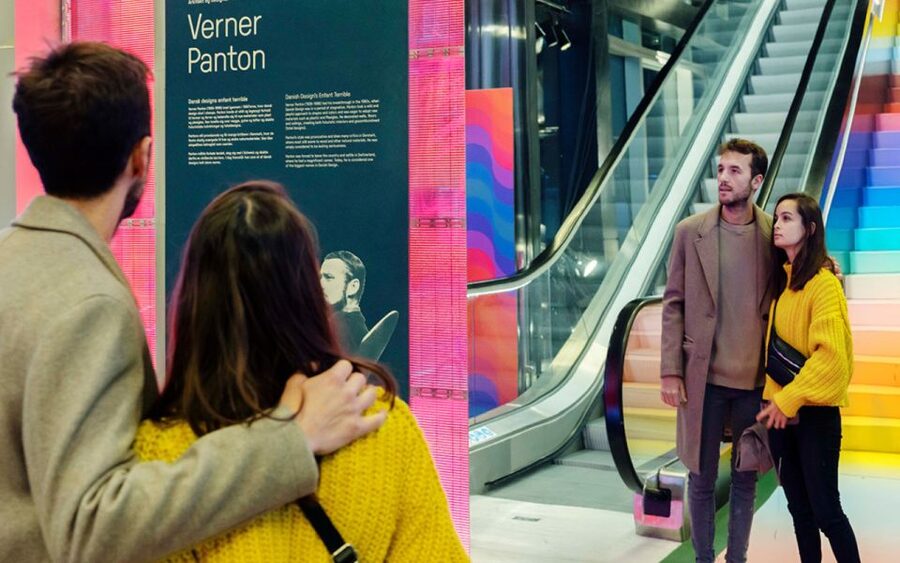
One of the most useful parts of the visit is the broad time span. DAC presents Danish architecture from the Viking age until today, giving you a long view of how construction and design have changed.
Do not expect this to function only as a traditional history museum. The value is in seeing architecture as a record of changing needs. Buildings reflect how people lived, worked, traveled, gathered, and organized communities.
The Viking-age reference gives you an early starting point, while the modern material connects directly with the Copenhagen you see outside. That contrast can help you place current design ideas in context. Denmark’s famous practical style did not appear from nowhere. It developed through changing social goals, materials, technology, and ideas about public life.
The section on welfare architecture is especially relevant. Here, function and design meet the needs of a wider society. The subject helps explain why Danish buildings and public spaces are often discussed in terms of access, usefulness, and daily comfort, rather than only grand appearance.
I find this approach more valuable than a display of beautiful buildings without explanation. You leave with a better way to read the city. A bridge, housing block, public building, or cycle route becomes part of a larger story about how Copenhagen chooses to serve its people.
A completely different kind of day out:
- Copenhagen: Canal Cruise with Guide
★ 4.6 · 9,115 reviews - Copenhagen: Hop-On Hop-Off Bus Tour with Boat Tour Option
★ 3.9 · 4,122 reviews - Private Walking Grand Tour of Copenhagen
★ 5.0 · 3,953 reviews - From Copenhagen: Lund and Malmö 2-Country Tour
★ 4.7 · 2,772 reviews
The DAC Slide and the 40-meter change of pace

The DAC Slide is one of the center’s most memorable features. It carries you down 40 meters through the building, giving the visit a playful physical element that you will not find in a standard architecture gallery.
This is not just a minor extra tucked away for children. Entrance to the slide is included with the ticket, so it can shape your whole visit, especially if you are visiting with younger family members. Children have a clear activity to look forward to, while adults can enjoy the exhibits without asking everyone to remain still and quiet for the entire visit.
The slide also fits the center’s larger idea that architecture should be experienced, not only viewed. You are using the building as well as looking at it. That makes the visit easier to remember.
The supplied information does not specify operating restrictions, wait times, or height requirements, so check the center’s instructions when you arrive. If the slide is important to your plans, do not assume it will operate continuously without checking on the day.
Rooftop views over the harbor
The rooftop terrace and café provide a welcome pause after the exhibitions. From above, you can look toward Copenhagen’s historic city, cycle bridges, and harbor baths.
This view gives the displays a practical follow-up. Instead of hearing about public design in an abstract way, you can look out over the urban setting and consider how buildings, water, bridges, and movement connect. The harbor is not just scenery here. It is part of the subject.
Access to the rooftop café is included with admission. Food and drinks are not included, so plan to pay separately if you want to sit with something to eat or drink. You can still use the café area for the view without treating it as part of the ticket price.
I would save the rooftop for a natural pause rather than rushing there first. Start with the exhibitions, use the slide when it suits you, then take time outside or above the galleries to put the ideas together. The terrace can also make the center more appealing on a busy sightseeing day when you need a quiet change of pace.
How much time should you allow?
The ticket is valid for one day, but no fixed visit duration is provided. That flexibility is helpful because you can fit DAC around the rest of your Copenhagen plans.
A quick visit could focus on the main exhibitions, the slide, and the rooftop view. A slower visit would give you time to read the displays and consider the social side of architecture. Since the exhibitions rotate, the amount of reading and viewing may differ from one date to another.
I would avoid treating the center as a rushed stop between two timed attractions. The building and exhibitions work best when you allow room to pause. At the same time, you do not need to reserve an entire day unless you are deeply interested in architecture and design.
The ticket is valid for one day, and you should check availability for starting times before booking. That wording suggests you need to select or confirm a visit time even though the ticket itself covers the day.
Is $19 a fair price?
At $19 per person, the ticket is not the cheapest indoor stop in Copenhagen. Its value comes from the combination of several elements: all open exhibitions, the 40-meter slide, and access to the rooftop café and terrace.
If you only want a quick view from the harbor, the price may feel high. You can see plenty of Copenhagen from public streets and bridges without paying admission. DAC earns its price when you want interpretation, design context, and an activity that works for different ages.
The ticket is particularly good value for a first Copenhagen visit if you want to understand the city rather than simply photograph it. The center links architecture to Danish society and history, which can make the rest of your sightseeing more meaningful.
Families may also find the price easier to justify because the slide gives younger visitors something concrete to enjoy. Architecture fans receive the most direct value from the exhibitions, while casual visitors benefit from the short, flexible format and the harbor view.
Food and drinks cost extra, so include that in your budget if you plan to use the rooftop café. You are paying for entry, not a meal package.
Who will enjoy DAC most?
I would recommend this experience to you if you like cities, design, public spaces, or the small choices that make daily life easier. You do not need specialist knowledge. The center is made for people who are curious, not only for professionals.
It also suits families because the exhibitions welcome children and adults, and the slide breaks up the reading. The broad subject range means each person can take something different from the visit.
First-time visitors to Copenhagen can use DAC as an introduction to Danish society through buildings and design. It may help you notice details that would otherwise pass without comment during the rest of your trip.
You might skip it if you want a traditional museum with one fixed collection, named masterpieces, or a tightly guided tour. You also might be disappointed if your only goal is a long rooftop sightseeing session. The view is a valuable part of the experience, but the exhibitions remain the main reason to buy the ticket.
Practical booking advice for a smoother visit
The experience allows free cancellation up to 24 hours before the visit for a full refund. You can also reserve now and pay later, which is useful when your Copenhagen schedule is still changing.
Check the available starting times before you confirm. Since the ticket is valid for one day, you have flexibility once inside, but the booking still requires attention to the available time options.
Plan to approach from Bryghuspladsen and look for the below-ground entrance. If you have accessibility needs, the center is wheelchair accessible, but you should still allow time to locate the correct entrance level.
The center is in a central harbor setting, so it pairs naturally with a walk around Copenhagen’s waterfront. I would keep the plan loose, since the one-day validity and changing exhibits make DAC easy to combine with nearby sightseeing.
Should you book the Danish Architecture Center?
Book it if you want more than a quick look at Copenhagen’s buildings. For $19, you get rotating exhibitions, a broad story from Viking architecture to the present, the 40-meter slide, and a rooftop view over the harbor.
I especially recommend it for first-time visitors, families, and anyone interested in how design affects ordinary life. Check the current exhibitions before booking, and remember that food and drinks at the rooftop café cost extra.
Skip it only if you have little interest in architecture or want a completely fixed, guide-led itinerary. For most curious visitors, DAC offers a useful mix of ideas, views, and hands-on fun in one convenient waterfront stop.
FAQ
Where is the Danish Architecture Center located?
It is in the BLOX building on the harbor front in central Copenhagen, at Bryghuspladsen.
How do I enter the Danish Architecture Center?
The entrance is below ground. Take the stairs or escalators down from Bryghuspladsen.
What does the ticket include?
The ticket includes entry to the Danish Architecture Center, all open exhibitions, the DAC Slide, and access to the rooftop café.
Is food included with admission?
No. Food and drinks purchased at the rooftop café are not included in the ticket.
How long is the ticket valid?
The ticket is valid for one day. Check availability for the starting times offered on your date.
Is the Danish Architecture Center wheelchair accessible?
Yes, the activity is wheelchair accessible.
What languages are available?
The listed languages are Danish and English. The host or greeter service is also available in Danish and English.
Can I cancel for a refund?
Yes. You can cancel up to 24 hours in advance for a full refund. You can also reserve now and pay later.
Just added in Copenhagen
- WWII Copenhagen Nyhavn and War Museum Private Walking Tour★ 5.0 · 2 reviews
- a day at North Zealand Castle Tour★ 4.5 · 19 reviews
- Copenhagen Walking Tour with Food Testing (smorrebrod dish & snap)★ 4.5 · 10 reviews
- World-class street football experience in Copenhagen★ 5.0 · 1 review
- walking tour – Copenhagen and Christiansborg 3 hours★ 4.0 · 7 reviews
- Stevns Klint UNESCO World Heritage Site Tour from Copenhagen★ 5.0 · 1 review
- The Philosopher’s Last Walk: An audio tour on the life of Søren Kierkegaard★ 4.5 · 5 reviews
- The Six Forgotten Giants Trolls Hunt with Minibus★ 4.5 · 27 reviews
Tickets, compared.